Colored Mulch Ideas for a Unique and Attractive Garden Setup
Choosing the Right Colored Mulch for Garden Beauty
Colored mulch transforms garden beds by enhancing soil health, boosting moisture retention, and elevating landscape aesthetics. By selecting the ideal hue and material, gardeners can create cohesive designs that highlight foliage, blooms, and pathways. This guide explores benefits, types, color-selection strategies, material impacts, maintenance routines, and purchase criteria for achieving lasting garden beauty.
Key Takeaways
- Colored mulch improves moisture retention, weed control, and visual unity.
- Material choice affects color longevity, soil enrichment, and budget.
- Select mulch hue based on foliage contrast, hardscape tones, and focal plants.
- Perform annual inspections, raking, and topping-up to preserve performance.
- Use precise coverage calculations and reputable suppliers for cost-effective purchases.
What are the benefits of using colored mulch in gardens?
Colored mulch in gardens provides benefits such as enhanced moisture retention, weed suppression, soil temperature regulation, and improved aesthetics. By forming a uniform cover over soil, dyed organic mulches reduce evaporation by up to 35% (University of Georgia, 2022), limit weed germination by blocking sunlight, and moderate root-zone temperatures during heat waves. Additionally, mulch decomposes over time, enriching soil biology and organic matter with an average annual nitrogen release of 3–5 lb per 100 sq ft. To learn more about us, visit our about-us section, view our gallery, or contact us.
These benefits directly influence plant health and landscape appearance. Enhanced moisture retention leads to 20% fewer irrigation cycles in summer months, while weed suppression frees gardeners from biweekly hand-weeding tasks. In turn, uniform color ties garden elements together, highlighting flower beds and edging lines for a professional look. For more information, visit our services or contact us.
Because mulch decomposes gradually, it supports soil biology by feeding earthworms and microbial communities, which in turn improve soil structure and nutrient cycling. As these microorganisms break down dyed wood fibers, they convert organic matter into humus, increasing soil cation exchange capacity by 15–25% over a three-year period (Missouri Botanical Garden, 2021). This microbial activity sustains plant growth and long-term garden vitality. For more information, visit our faqs or contact us for a request-a-quote.
Gardeners often seek multiple benefits in one product. Colored mulch delivers functional advantages like moisture management and weed control alongside visual enhancements, making it a dual-purpose ground cover. When paired with proper irrigation and plant selection, colored mulch sets the stage for resilient, low-maintenance landscapes that remain vibrant throughout the seasons.
What types of colored mulch are available?
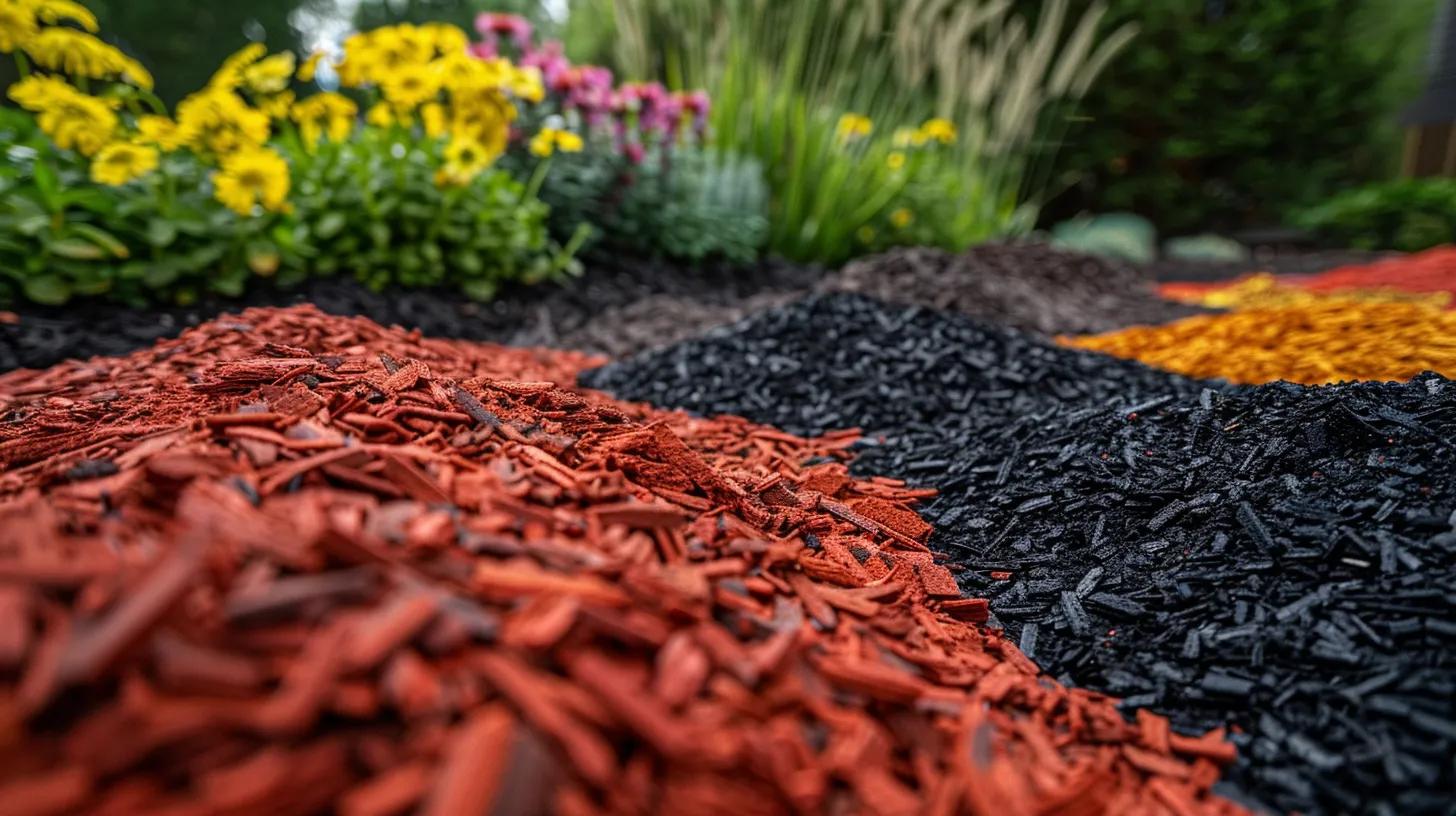
Several colored mulch types are available, ranging from dyed hardwood bark to rubber and cypress blends, each offering distinct color options, coverage, and longevity. Popular organic options include natural hardwood dyed red, brown, and black, while recycled rubber mulch provides permanent color and low decay rates. In regions with strict tree-protection laws, cedar and cypress chips dyed to match bark hues deliver sustainable alternatives.
The following table compares key colored mulch types, linking each to material source, color palette, primary benefit, and typical garden use:
Comparison of Colored Mulch Types
| Mulch Type | Source Material | Color Options | Main Benefit | Best Use Case |
|---|---|---|---|---|
| Dyed Hardwood Bark | Oak, Maple | Red, Brown, Black | Rich, deep color; moderate decay | Flower beds, foundation plantings |
| Recycled Rubber | Post-consumer tires | Red, Brown, Black | Color fast; long lifespan (10+ years) | Playgrounds, walkways, erosion control |
| Cypress/Cedar Chips | Native cypress/cedar wood | Natural yellow, dyed red, brown | Natural decay; insect-resistant oils | Native plant gardens, mulch rings |
| Dyed Pine Straw | Pine needles | Natural straw, dyed red | Fine texture; good for erosion control | Sloped areas, acid-loving shrubs |
| Engineered Wood Chips | Softwood resinous chips | Black, brown | Low decay; consistent color | Commercial landscapes, high-traffic zones |
This table highlights how material type correlates with performance attributes such as decay rate, insect resistance, and aesthetic longevity. For example, recycled rubber maintains bright color indefinitely but does not add organic matter to soil. In contrast, dyed hardwood bark biodegrades over 12–18 months, contributing nutrients back into the ecosystem.
How to select the right color to complement your garden design?
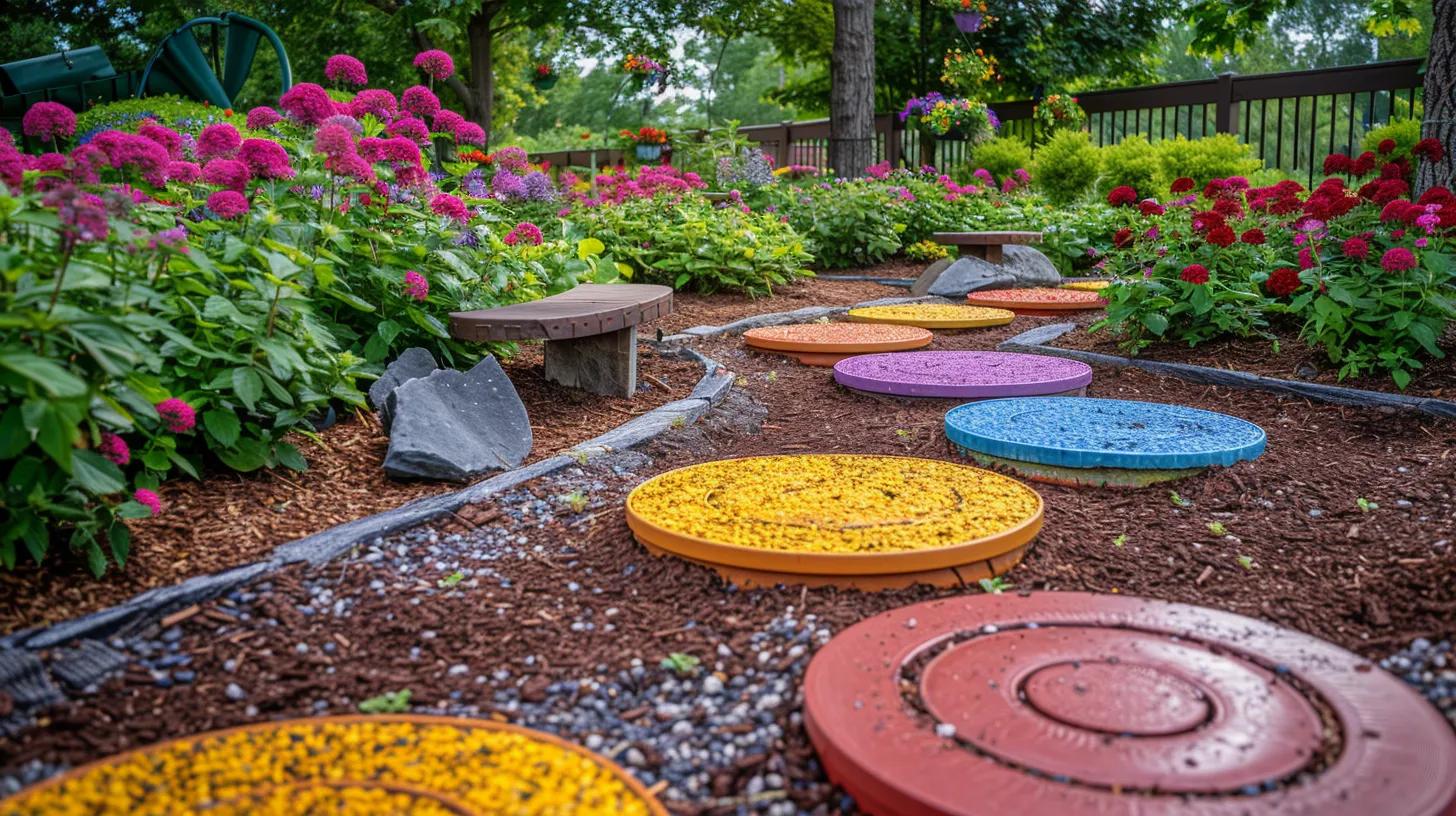
Selecting the right mulch color involves matching hue and contrast to plant foliage, bloom colors, architectural features, and hardscape materials in the garden. For instance, dark brown or black mulch creates a bold contrast around green foliage and pastel flowers, while red mulch warms up cool-toned blues and purples. Consistency across beds ties disparate plantings together, forming a unified visual theme that guides the eye through the landscape.
Gardeners should consider these four color-selection guidelines:
- Contrast with foliage: pair darker mulch with light-colored leaves to boost vibrancy;
- Coordinate with architectural elements: match mulch tone to brick, stone, or siding for cohesion;
- Highlight focal points: use a distinct color to draw attention to specimen plants or sculpture;
- Harmonize with hardscape: complement paving materials by selecting warm browns for sandstone or cool blacks for slate.
By following these guidelines, planting beds become living canvases where mulch color accentuates seasonal bloom cycles and structural elements. Color theory plays a crucial role: analogous color schemes (e.g., red mulch with red-leafed shrubs) create harmony, while complementary schemes (e.g., red mulch with green foliage) lend dynamic contrast.
How does mulch material impact appearance and performance?
Mulch material impacts both visual texture and functional performance, such as color retention, decay rate, and cost. Organic materials like bark and straw undergo color fading—up to 25% loss over six months under UV exposure—while inorganic options like rubber remain unchanged. Decay rate influences how often mulch must be replenished: wood bark breaks down in 12–24 months, whereas rubber lasts 10 years or more.
Consider this comparison table to evaluate appearance versus performance:
Material Impact on Mulch Performance
| Material | Color Retention | Decay Rate | Cost per Cubic Yard | Appearance |
|---|---|---|---|---|
| Hardwood Bark | 60–75% after 6 months | 12–18 months | $30–$45 | Natural, textured |
| Rubber | 95–100% after 1 year | 10+ years | $50–$65 | Uniform, coarse |
| Pine Straw | 80% after 3 months | 6–9 months | $25–$35 | Fine, rustic |
| Cedar Chips | 70–85% after 6 months | 12–20 months | $40–$55 | Bright, fibrous |
This table demonstrates trade-offs: rubber offers long-lasting color and minimal replacement frequency but carries higher upfront cost and no soil enrichment. Conversely, pine straw delivers fast color fading and frequent top-ups yet provides excellent erosion control on slopes and acidity for blueberries or azaleas.
What maintenance is required for colored mulch?
Maintaining colored mulch requires tasks like periodic topping-up, color boosting, and debris removal to preserve both functionality and visual impact. In organic mulches, 2–4 inches of fresh mulch should be added annually to maintain 3 inches of coverage and compensate for decomposition. For rubber mulch, occasional raking and leaf removal keep the surface tidy without material loss.
Key maintenance steps include:
- Inspection each spring and fall for compaction or bare spots;
- Raking to break up crusted layers and improve water infiltration;
- Application of color-enhancing mulch sealer after significant fading (organic mulches only);
- Removal of weeds and debris to prevent pest harborage;
- Replenishment of organic material to maintain constant depth.
These steps ensure mulch continues to suppress weeds, conserve moisture, and present a uniform color. Proper maintenance also delays dye leaching into soil, preserving plant health and preventing runoff discoloration.
How to make an informed purchase decision for colored mulch?
Making an informed purchase decision for colored mulch involves evaluating factors like coverage area, depth, local climate, and supplier credibility. Calculate coverage using the formula: Coverage (sq ft) = (Depth in inches ÷ 12) × Volume in cubic yards × 324; for example, 2 cu yd at 3 inches covers 648 sq ft. Comparing prices per cubic yard—from $25 to $65—helps budget accurately based on desired material type and color longevity.
Use this purchase checklist to guide selection:
- Measure garden bed square footage and desired mulch depth;
- Research local suppliers for bulk discounts and delivery fees;
- Verify dye safety: choose EPA-approved, non-toxic colorants;
- Assess climate suitability: rubber holds heat in warm zones, pine straw suits cooler, acidic soils;
- Request sample bags to test color match against plantings;
- Check return or exchange policy for damaged deliveries.
By following these steps, gardeners ensure they purchase the right mulch type, color, and volume, maximizing cost-effectiveness and design impact. Trustworthy suppliers provide product specifications, safety data sheets, and customer testimonials to support confident choices.
Can colored mulch alter soil pH?
Most dyed hardwood mulches have neutral pH impact, but pinestraw adds slight acidity.
Is colored rubber mulch toxic to plants?
High-quality rubber mulch uses inert pigments and poses no known plant toxicity.
How often should I renew dyed organic mulch?
Replenish dyed hardwood or cypress mulch annually to maintain depth and hue.
Does colored mulch leach into groundwater?
EPA-approved colorants minimize leaching; proper maintenance further reduces runoff risk.
Can I mix mulch types in one bed?
Mixing fine pine straw with coarse bark can create layered texture, but stick to one color.
Choosing the right colored mulch balances functional benefits like moisture retention and weed suppression with visual harmony in garden design. Matching mulch color to plant foliage, hardscapes, and focal points creates a cohesive landscape that highlights blooms and structural elements. Understanding material impacts—decay rate, color retention, and cost—enables gardeners to select opsiions that suit both performance and aesthetics. Regular maintenance and informed purchasing decisions ensure long-lasting beauty and soil health in every season.