
Transforming your landscape in Georgia can be challenging, especially when selecting the right plants and features. Japanese maples, evergreens, and water features offer not only beauty but also adaptability to Georgia’s climate. This article will explore the advantages of incorporating Japanese maples and evergreens, guide you in choosing the ideal cultivars, and assist in designing water features that enhance your overall landscape. By engaging with this content, readers will find solutions to common landscaping problems, creating a vibrant and sustainable outdoor environment supported by expert advice from arborists and regional plant nurseries.
Key Takeaways
- Japanese maples add vibrant seasonal colors to enhance Georgia landscapes
- Various maple varieties thrive in Georgia’s climate, offering diverse aesthetic options
- Incorporating water features attracts wildlife and enhances the ecological balance of gardens
- Evergreens provide year-round greenery, creating a harmonious contrast with deciduous trees
- Sustainable practices, such as using native plants, promote a thriving garden ecosystem
Understanding the Benefits of Japanese Maples in Georgia Landscapes
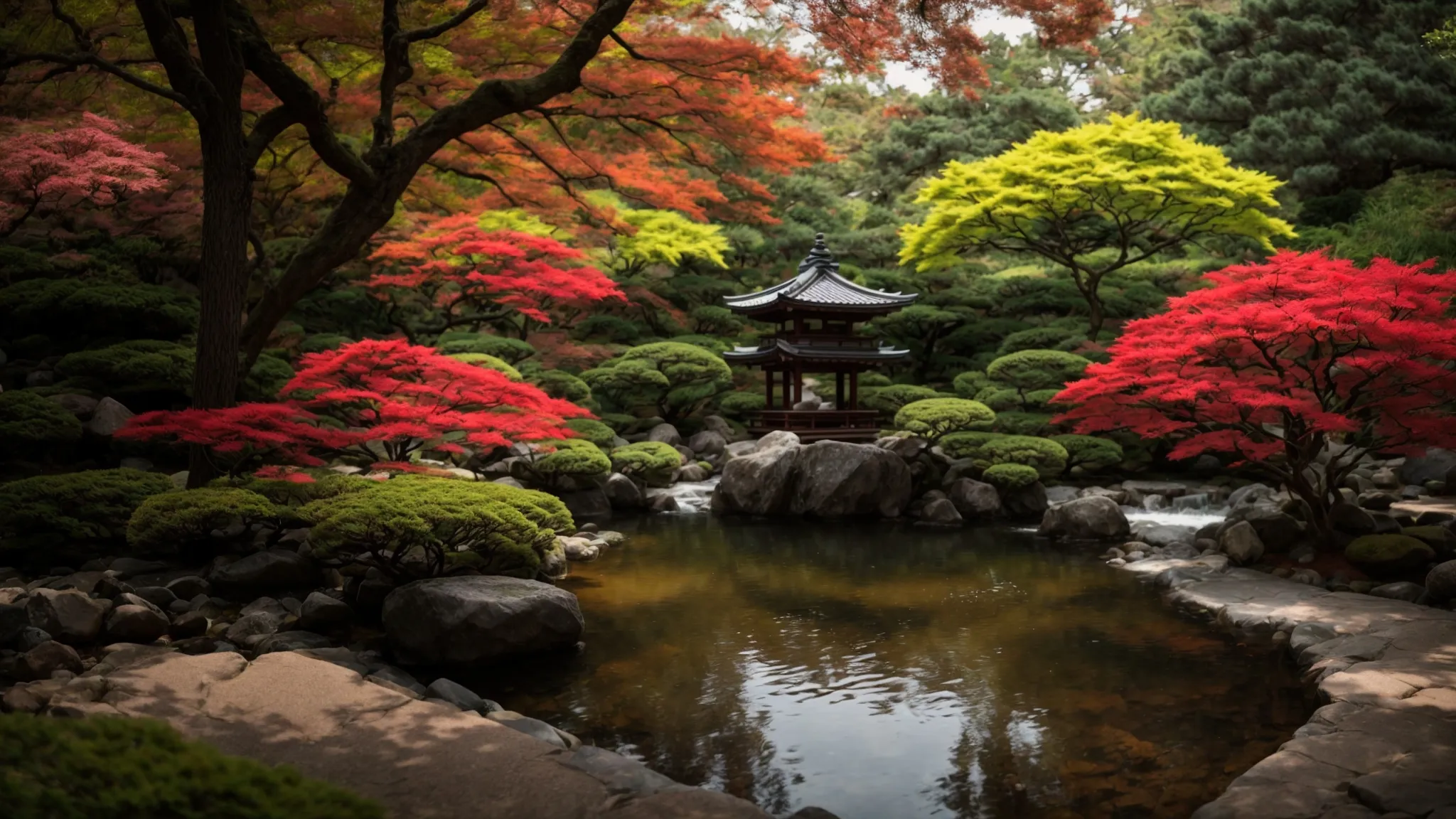
Japanese maples, particularly Acer palmatum, offer distinct aesthetic appeal for Georgia yards. Their vibrant seasonal color changes enhance landscape design, adding a dynamic element to gardens. These trees require minimal upkeep, making them ideal for busy homeowners. Moreover, various suitable varieties thrive in Georgia, ensuring a perfect fit for any setting, particularly in a tranquil Japanese garden surrounded by mulch and water features.
The Unique Aesthetic of Japanese Maples
The unique aesthetic of Japanese maples, particularly their striking leaf shapes and vibrant color variations, makes them a standout choice for Georgia landscapes. With colors ranging from deep reds to bright greens, these trees create visual interest throughout the seasons. Proper soil conditions and occasional pruning ensure optimal growth, while techniques such as grafting can produce specific desired traits in varieties. This versatility allows homeowners to craft stunning garden designs that elevate outdoor spaces.
Seasonal Color Changes and Their Impact on Landscape Design
The seasonal color changes of Japanese maples significantly enhance garden designs in Georgia landscapes. In spring, the fresh green foliage contrasts beautifully with the rough bark, while summer offers deep shades that provide a lush backdrop. Autumn transforms these trees into vivid displays of red and gold, drawing attention to water features like waterfalls and ponds. Homeowners can complement this striking visual impact through the strategic use of fertilizer to promote healthy growth, resulting in a dynamic and appealing outdoor space that reflects changing seasons.
Low Maintenance Requirements for Busy Homeowners
Japanese maples are an excellent choice for busy homeowners seeking low maintenance options in their landscape design. These deciduous trees require minimal care compared to other shrubs and evergreens, making them ideal for those with limited time for gardening. With proper selection and placement, their vibrant scarlet leaves can thrive with little intervention, providing stunning visual appeal without the stress of extensive upkeep.
Suitable Varieties of Japanese Maples for Georgia
In Georgia, specifically in areas around Atlanta, several varieties of Japanese maples thrive, showcasing a wide range of colors and leaf shapes. Trees like ‘Coral Bark’ offer a stunning red hue in the winter, while varieties with unique variegation such as ‘Butterfly’ present beautifully patterned leaves that can enhance any landscape design. Additionally, the elegant canopy created by these maples complements evergreen conifers, combining different textures to foster a visually appealing outdoor environment that changes with the seasons.
Choosing the Right Evergreen Trees for Your Landscape
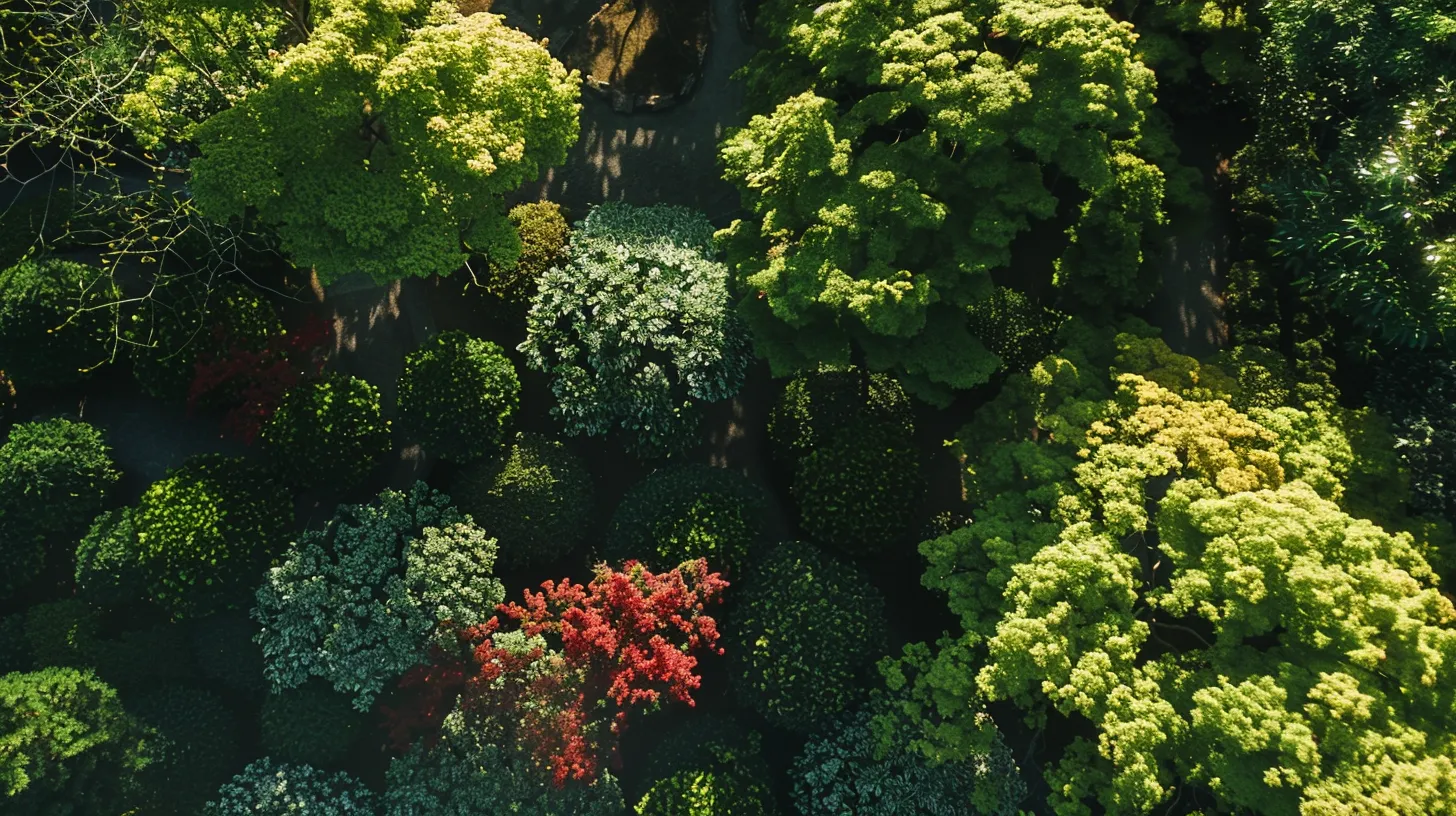
Popular evergreen varieties for Georgia gardens provide year-round greenery and a solid foundation in landscape design. These trees enhance aesthetics while requiring careful maintenance to thrive. Additionally, integrating evergreens into the overall landscape plan allows for a seamless blend with features like Japanese maples. The following sections will cover specific evergreen types, their benefits, and essential care tips to maximize their impact.
Popular Evergreen Varieties for Georgia Gardens
Several popular evergreen varieties stand out for Georgia gardens, offering distinct advantages in maintaining year-round greenery. Trees such as Southern magnolia and Eastern red cedar thrive in varying temperatures and can withstand Georgia’s weather conditions, requiring minimal services once established. Their resilience makes them perfect companions for Japanese maples and water features, enhancing the overall landscape and providing a strong visual impact during all seasons:
| Evergreen Variety | Benefits | Ideal Conditions |
|---|---|---|
| Southern Magnolia | Large, fragrant flowers; glossy leaves | Full sun to partial shade; well-drained soil |
| Eastern Red Cedar | Attractive blue-green foliage; wildlife-friendly | Tolerates poor soil; adaptable to various temperatures |
| Carolina Sapphire Cypress | Fast growth; soft, blue foliage | Full sun; thrives in moist, well-drained areas |
Benefits of Evergreens in Landscape Design
Incorporating evergreens into landscape design provides significant advantages, particularly in Georgia’s unique climate. These trees offer year-round greenery, enhancing visual appeal and creating a lush environment that counters the seasonal changes experienced throughout the time zone. They act as natural sensors to landscape aesthetics, offering a means to frame high-impact features such as water elements while providing the needed intel on improving overall gardening strategies for maintenance and design effectiveness.
Care and Maintenance Tips for Evergreen Trees
To ensure evergreen trees thrive in Georgia’s varied climate, it is essential to focus on proper care and maintenance. Regularly checking the soil for adequate minerals and nutrients can enhance growth and vitality. Additionally, monitoring water levels through a timer system can help maintain appropriate moisture levels, especially during dry spells, allowing these trees to flourish alongside Japanese maples and complementing water features in the landscape. Creating a well-structured park-like environment with diverse plantings maximizes visual appeal while fostering a healthy ecosystem that supports all elements of the garden.
Integrating Evergreens Into Your Overall Landscape Plan
Integrating evergreens into an overall landscape plan is essential for achieving a cohesive and visually appealing environment in Georgia. By strategically placing these plants alongside Japanese maples and incorporating water features like a river or pond, homeowners can create a harmonious design that remains attractive throughout the seasons. Using tools such as a stopwatch to monitor watering schedules and ensuring proper care can enhance the longevity of these trees, while paying attention to coordinated universal time helps with planning maintenance tasks efficiently. This approach allows for a balanced landscape that thrives with minimal disruption, showcasing the beauty of both evergreen and deciduous species.
Designing Water Features That Complement Japanese Maples and Evergreens
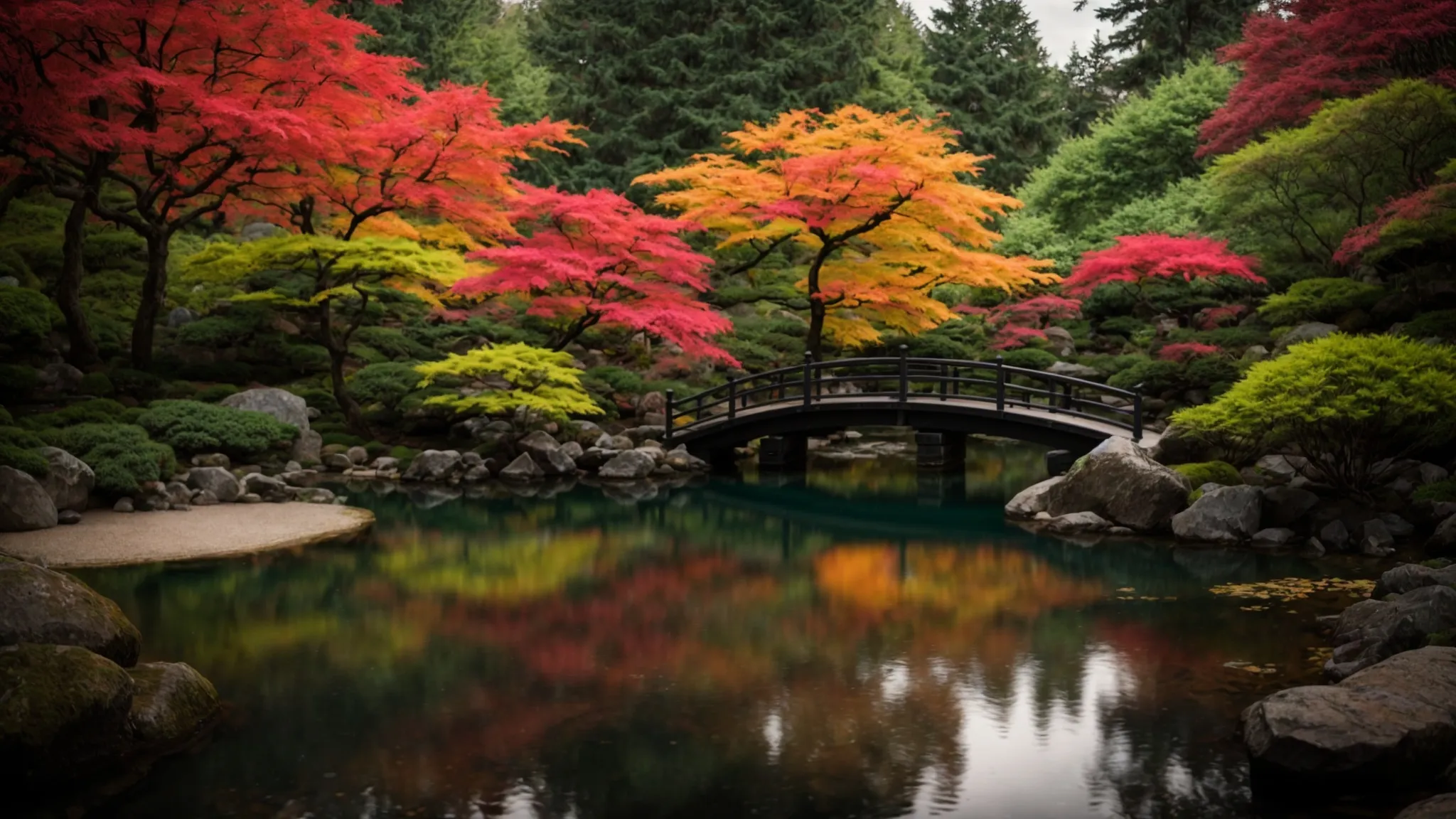
Water features play a crucial role in enhancing the visual appeal of landscapes, particularly in conjunction with Japanese maples and evergreens. Homeowners can consider various types of water features, such as ponds, fountains, and streams, to complement their garden design. Additionally, knowing the best locations for these features in Georgia’s climate helps achieve aesthetic harmony. Maintenance is essential to ensure the longevity and beauty of water elements within the landscape.
Types of Water Features to Consider for Your Garden
When designing a garden in Georgia, incorporating various types of water features can significantly enhance the overall aesthetic and ambiance. Features such as koi ponds not only serve as tranquil focal points but also attract wildlife, adding life to the landscape. Fountains can create soothing sounds, providing a peaceful atmosphere while complementing the delicate beauty of Japanese maples and the robust structure of evergreens; placement is crucial for maximizing both visual and auditory effects:
| Water Feature Type | Benefits | Ideal Settings |
|---|---|---|
| Koi Ponds | Tranquility and wildlife attraction | Surrounded by Japanese maples and seating areas |
| Fountains | Soothing sounds and aesthetics | Near pathways or prominent garden areas |
| Streams | Natural look and habitat creation | Winding through gardens to connect features |
The Role of Water Features in Landscape Aesthetics
Water features play a significant role in enhancing landscape aesthetics, particularly in gardens that include Japanese maples and evergreens. The gentle sound of flowing water from a fountain or stream can create a serene atmosphere, making outdoor spaces more inviting. Strategically placing these water elements near vibrant Japanese maples highlights their seasonal colors while providing a beautiful contrast to the greenery of evergreen trees, ultimately transforming a typical garden into a captivating retreat.
Best Locations for Water Features in Georgia Landscapes
Ideal locations for water features in Georgia landscapes include areas with ample sunlight and proximity to Japanese maples and evergreens. Positioning these features near vibrant trees can enhance their seasonal colors while creating a visually striking contrast with lush greenery. Homeowners should consider placing ponds or fountains in spaces that encourage relaxation and interaction, such as near seating areas or garden pathways.
- Choose sunny spots to maximize light for plants and enhance the visual appeal of water features.
- Place water features adjacent to Japanese maples for contrasts that highlight seasonal beauty.
- Integrate features into seating areas to promote relaxation and enjoyment of the landscape.
Maintenance Considerations for Water Features
Proper maintenance of water features is essential for their longevity and performance, particularly in landscapes that incorporate Japanese maples and evergreens. Regular cleaning helps prevent algae growth and keeps water circulating, which is crucial for enhancing the appearance of adjacent plants. Homeowners should also check for balanced water levels and ensure that pumps function correctly to maintain clear and appealing settings around these important landscape elements.
Creating a Harmonious Landscape With Japanese Maples, Evergreens, and Water Features
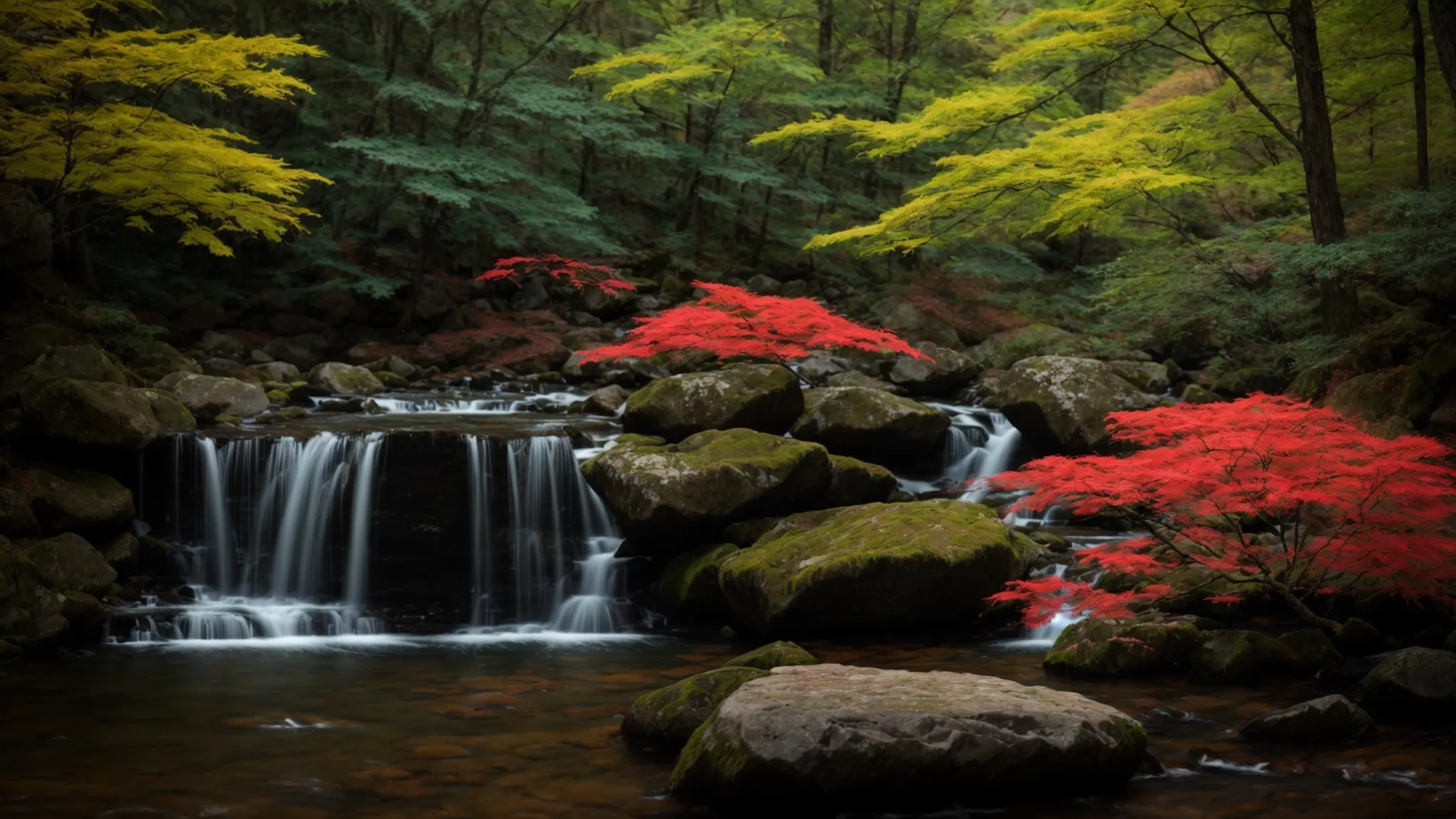
Layering plants such as Japanese maples and evergreens can create depth and interest in a Georgia landscape. Color coordination between these plants and water features enhances visual appeal, while well-placed focal points draw attention to key areas. Seasonal interest is vital; planning for year-round appeal ensures dynamic beauty throughout the changing seasons. Each of these elements contributes to a cohesive and inviting outdoor environment.
Layering Plants for Depth and Interest
Layering plants in a Georgia landscape can significantly enhance depth and interest, creating a vibrant outdoor environment that engages the senses. By strategically placing Japanese maples with their delicate foliage alongside robust evergreens, homeowners can achieve a balanced aesthetic that thrives throughout the seasons. This technique allows the striking colors of maples to stand out against the lush greenery of evergreens, offering a dynamic backdrop for any water features integrated into the design, resulting in a harmonious and inviting landscape.
Color Coordination Between Plants and Water Features
Color coordination between Japanese maples, evergreens, and water features is essential for creating a cohesive landscape design in Georgia. By strategically selecting vibrant maples that showcase brilliant reds and golds during autumn, homeowners can enhance the serene environment created by blue-green evergreens and the reflections from ponds or fountains. This thoughtful combination not only draws the eye but also creates a tranquil atmosphere that invites relaxation, ultimately transforming an ordinary garden into a visually stunning retreat.
The Importance of Focal Points in Landscape Design
Focal points are vital in landscape design as they draw the observer’s attention and create a sense of structure within the garden. By strategically positioning elements such as Japanese maples or water features, homeowners can guide viewers through the landscape, making it more visually engaging. For instance, placing a vibrant red maple near a tranquil pond can accentuate its beauty and provide a stunning backdrop that enhances the overall harmony of the garden.
- Focal points draw attention and create structure.
- Strategic placement of elements guides viewers through the landscape.
- Using vibrant maples and water features enhances visual engagement.
Seasonal Interest: Planning for Year-Round Appeal
Planning for seasonal interest in a landscape that features Japanese maples, evergreens, and water elements is essential for creating an inviting outdoor space in Georgia. Homeowners can achieve continuous visual appeal by selecting maples that display brilliant red and gold foliage in autumn, while evergreens provide lush greenery throughout the year. Incorporating water features, such as ponds or fountains, enhances the overall aesthetic by reflecting the changing colors of the landscape, ensuring that gardens remain attractive and engaging in all seasons.
Sustainable Practices for Landscaping With Japanese Maples and Evergreens
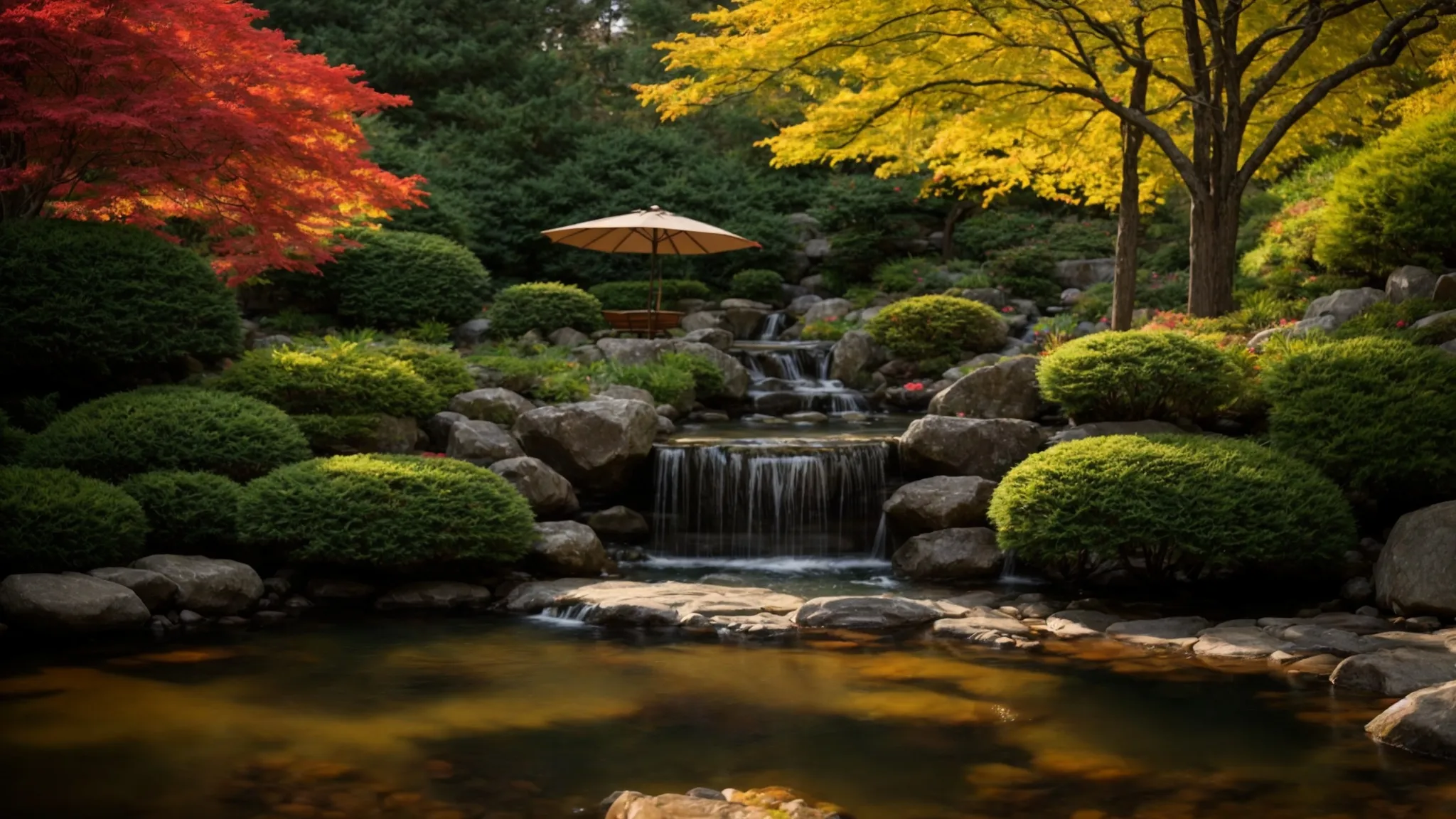
Implementing sustainable practices in landscaping enhances the beauty and functionality of Georgia gardens featuring Japanese maples and evergreens. Selecting native plants supports the local ecosystem, while water conservation strategies for water features promote resource efficiency. Organic maintenance techniques ensure healthy growth, and eco-friendly landscape design ideas create an environmentally responsible outdoor space. Each of these practices contributes to a thriving garden that benefits both homeowners and the local ecosystem.
Selecting Native Plants to Support the Local Ecosystem
Selecting native plants when landscaping with Japanese maples and evergreens plays a vital role in supporting the local ecosystem. Native species are generally more resilient to local pests and diseases, requiring less maintenance and water than non-native varieties. For example, incorporating plants like butterfly weed or black-eyed Susans can attract beneficial pollinators, enhancing biodiversity in Georgia landscapes while creating a harmonious balance with existing landscaping elements.
- Native plants are resilient and require less maintenance.
- They attract beneficial pollinators to enhance biodiversity.
- Combining native plants with Japanese maples and evergreens promotes ecosystem health.
Water Conservation Strategies for Water Features
Implementing effective water conservation strategies is essential for maintaining sustainable water features in landscapes featuring Japanese maples and evergreens. Homeowners can utilize rain barrels to collect and store rainwater, which can then be used to irrigate gardens and water features during dry periods. Additionally, incorporating a drip irrigation system will ensure that water is delivered efficiently to the roots of plants, minimizing waste while keeping landscapes vibrant and healthy.
| Water Conservation Strategy | Description | Benefits |
|---|---|---|
| Rain Barrels | Collect and store rainwater for irrigation | Reduces reliance on municipal water supplies |
| Drip Irrigation | Delivers water directly to plant roots | Minimizes water waste and evaporation |
| Mulching | Apply organic material around plants | Retains soil moisture and reduces evaporation |
Organic Maintenance Techniques for Healthy Growth
Utilizing organic maintenance techniques can significantly boost the health and vitality of Japanese maples and evergreens in Georgia landscapes. Homeowners can apply compost and natural fertilizers, which enrich the soil with essential nutrients and promote healthy root systems. Additionally, adopting a mulching strategy helps retain soil moisture and suppress weeds, ensuring that these trees thrive without reliance on chemical treatments, ultimately contributing to a sustainable and vibrant garden environment.
Eco-Friendly Landscape Design Ideas
Eco-friendly landscape design ideas focus on sustainability and harmony with nature, enabling homeowners to create breathtaking gardens while minimizing environmental impact. Incorporating native plants alongside Japanese maples and evergreens not only enhances the local ecosystem but also reduces the need for fertilizers and pesticides, promoting healthy growth. Utilizing organic mulch and compost enriches the soil, conserves moisture, and suppresses weeds, ensuring that these beautiful trees thrive with less maintenance, ultimately resulting in a vibrant garden that reflects the beauty of Georgia’s landscape:
| Eco-Friendly Practice | Description | Benefits |
|---|---|---|
| Native Plant Selection | Use plants that are indigenous to Georgia | Supports local wildlife and reduces maintenance |
| Organic Mulching | Apply organic materials for ground cover | Improves soil health and moisture retention |
| Composting | Recycle kitchen and garden waste | Enriches soil naturally, avoiding chemical fertilizers |
Inspiring Examples of Georgia Landscapes With Japanese Maples and Water Features
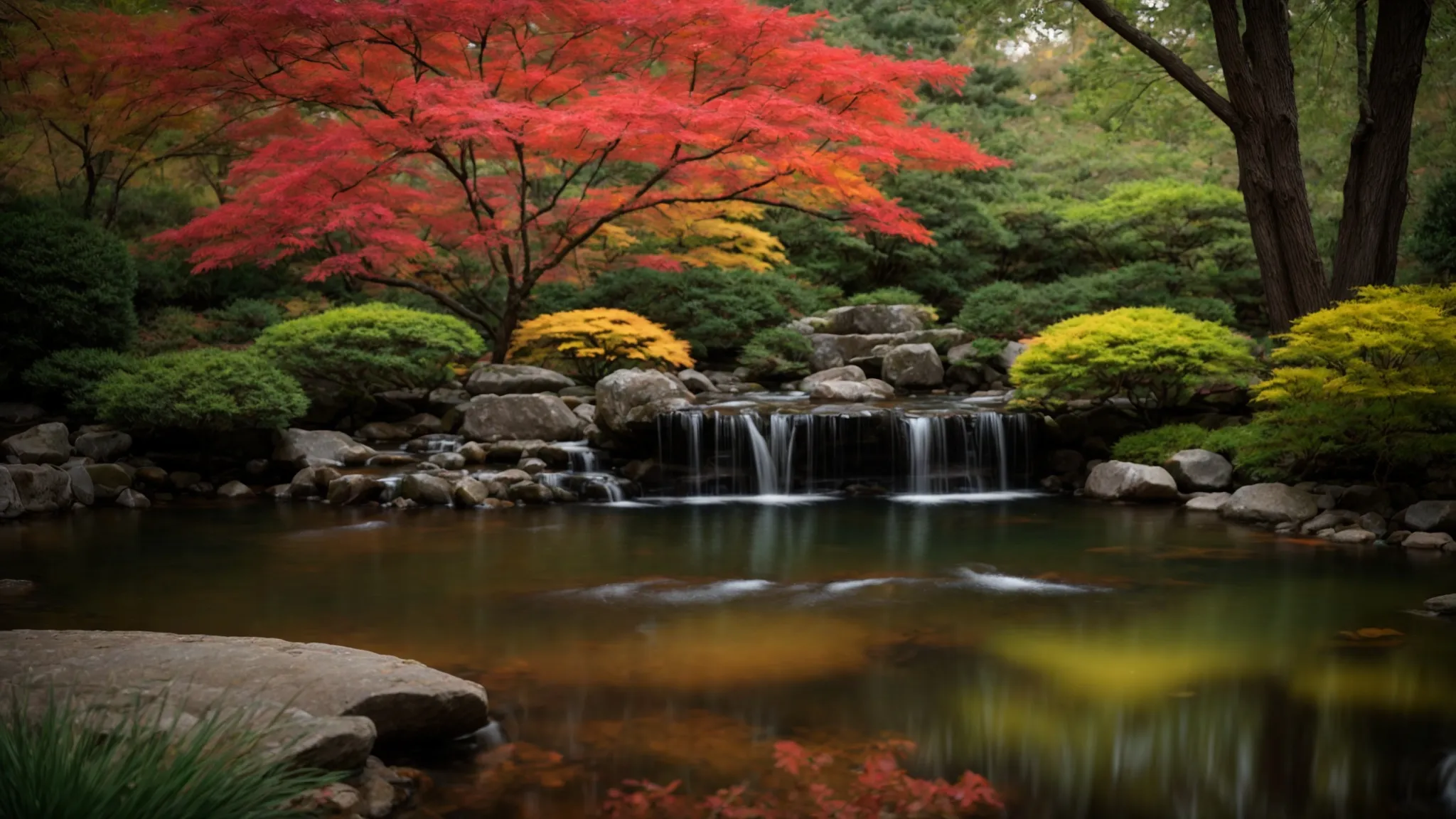
Case studies demonstrate how incorporating Japanese maples and water features can transform backyard landscapes into serene retreats. Community parks across Georgia showcase stunning examples of these trees, enhancing local biodiversity while creating vibrant spaces. Testimonials from homeowners highlight the positive impact of these designs, emphasizing the beauty and ecological benefits of blending evergreens and water elements in their yards.
Case Study: A Backyard Transformation
One notable case study involved a Georgia homeowner who transformed an underutilized backyard into an inviting retreat by incorporating Japanese maples, evergreens, and a serene water feature. The homeowners selected various Japanese maple varieties, which added layers of color and texture while ensuring year-round appeal. By integrating a koi pond surrounded by evergreen shrubs, they created a harmonious space that not only elevated the landscape’s aesthetics but also attracted local wildlife, enhancing the ecological balance of their garden:
| Element | Description | Impact |
|---|---|---|
| Japanese Maples | Varieties selected for seasonal color | Enhanced visual interest throughout the year |
| Evergreens | Strategically placed for year-round greenery | Provided structure and depth to the landscape |
| Koi Pond | Water feature with native aquatic plants | Created a tranquil focal point and wildlife habitat |
Community Parks Showcasing Japanese Maples
Community parks across Georgia prominently feature Japanese maples, showcasing their stunning seasonal colors and unique leaf shapes. These parks not only enhance local biodiversity but also provide an inviting space for visitors to appreciate the beauty of nature. Japanese maples serve as focal points within these landscapes, integrating effortlessly with other plants and water features to create serene, aesthetically pleasing environments.
| Park Name | Key Features | Benefits |
|---|---|---|
| Botanical Garden of Georgia | Colorful Japanese maples, diverse plant life | Educational opportunities, scenic beauty |
| Chastain Park | Various maple varieties in landscaped areas | Serene walking paths, community gathering spots |
| Atlanta Botanical Garden | Japanese maple displays near water features | Enhanced tranquility, biodiversity support |
The Effect of Water Features on Local Biodiversity
Incorporating water features into Georgia landscapes significantly enhances local biodiversity by creating habitats that attract various wildlife species. For instance, koi ponds and streams not only provide essential drinking water but also offer nesting sites for birds and spawning grounds for amphibians. This biodiversity contributes to a balanced ecosystem, ensuring that the natural environment thrives alongside beautifully designed landscapes featuring Japanese maples and evergreens.
Testimonials From Georgia Homeowners About Their Landscape Designs
Many Georgia homeowners have shared their experiences regarding the transformation of their landscapes through the incorporation of Japanese maples, evergreens, and water features. One homeowner noted that adding a koi pond along with vibrant Japanese maples brought a sense of tranquility to their yard, creating a peaceful retreat. Others appreciate the year-round greenery provided by evergreens, which balance the seasonal changes of the maples, ultimately enhancing their home’s aesthetic appeal and increasing property value.
| Homeowner | Landscape Feature | Impact |
|---|---|---|
| Maria Johnson | Koi Pond & Japanese Maples | Enhanced tranquility and visual appeal |
| James Smith | Evergreens & Waterfall | Year-round greenery and a dynamic setting |
| Emily Davis | Japanese Maples | Increased property value and curb appeal |
Conclusion
Transforming a Georgia landscape with Japanese maples, evergreens, and water features significantly enhances aesthetic appeal while promoting ecological balance. These elements provide year-round visual interest, with seasonal color changes and the soothing sounds of water enriching outdoor spaces. By incorporating diverse plant choices and sustainable practices, homeowners can create inviting environments that thrive with minimal maintenance. This thoughtful integration not only boosts property value but also fosters a vibrant ecosystem, making landscaping both beautiful and beneficial.