
Adding a Japanese maple to a garden in Georgia not only enhances aesthetics but also brings a unique charm. These trees thrive in various soil types and can withstand the local climate, making them a popular choice among homeowners. This guide will cover how to select the right Japanese maples for your landscape, provide essential care tips, and explore the benefits of using cedar mulch. By addressing common concerns such as soil salinity and insect issues, readers will learn how to maintain these beautiful shrubs effectively and transform their outdoor spaces.
Key Takeaways
- Japanese maples thrive in Georgia’s climate, offering beauty and adaptability for gardens
- Seasonal color changes in Japanese maples enhance landscapes throughout the year
- Selecting suitable companion plants can boost the health and aesthetics of Japanese maples
- Proper watering and soil management are crucial for maintaining healthy Japanese maples
- Local nurseries offer quality Japanese maples and expert advice for optimal care
Understanding Japanese Maples and Their Appeal in Georgia
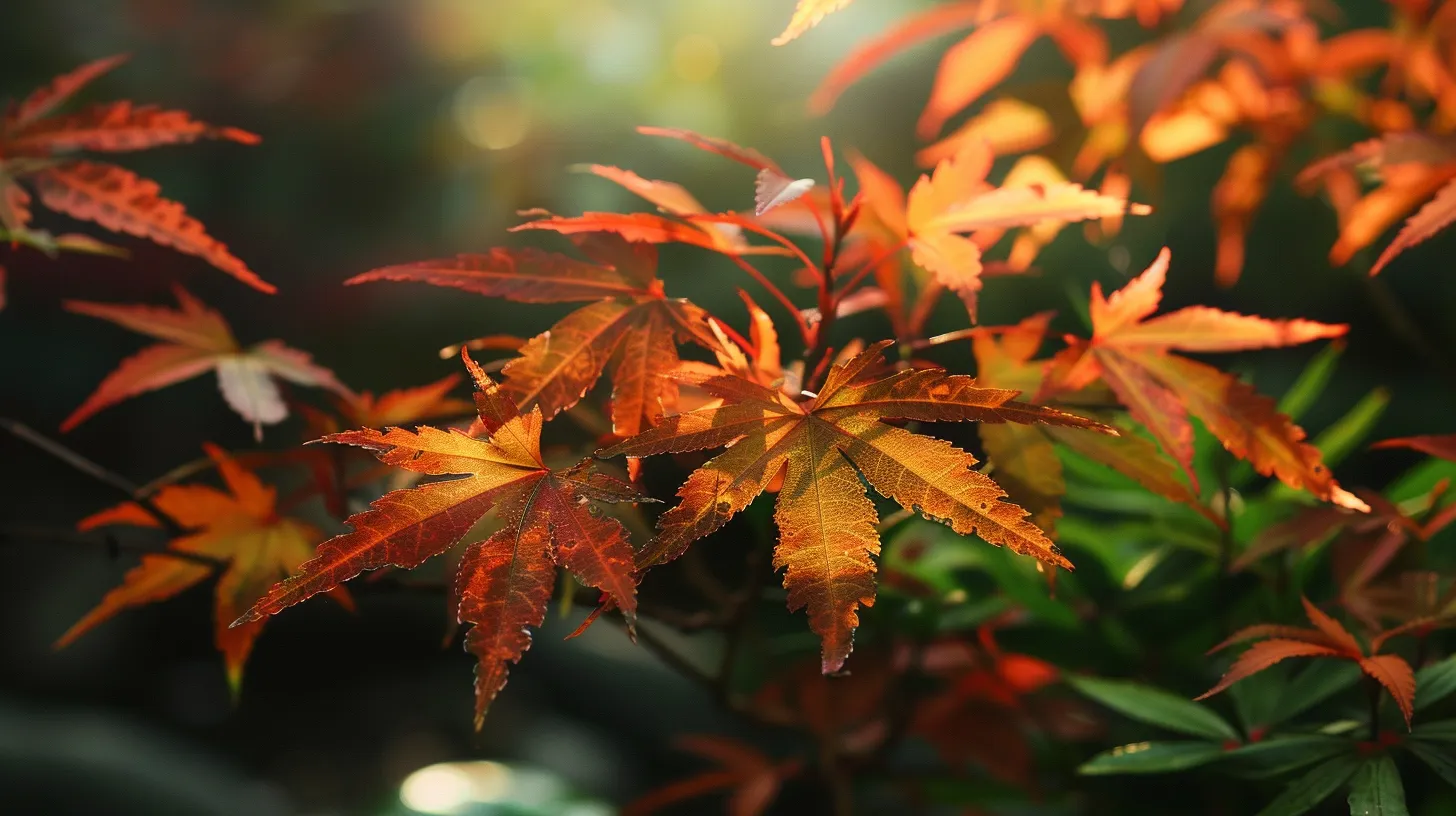
Japanese maples are renowned for their unique characteristics, making them a popular choice for home improvement in Georgia. Various varieties thrive in the state’s climate, providing options for every garden. Seasonal color changes add striking beauty, enhancing landscapes throughout the year. This guide will explore these aspects, including suitable selections and how to integrate these trees into existing designs. Explore our gallery and learn about us to access comprehensive landscape supply and services.
Unique Characteristics of Japanese Maples
Japanese maples exhibit distinctive features that contribute to their popularity in Georgia’s landscapes. These exquisite trees boast vibrant foliage that transitions through a spectrum of colors, particularly stunning shades of red, orange, and yellow in autumn, which can rival even the beauty of a blueberry bush. Their resilience and adaptability allow them to thrive in various soil types, available through our landscape supply, although healthy decomposition of organic matter can further enhance their growth, ensuring they remain robust and visually appealing throughout the year. For those looking to incorporate these trees into their gardens, understanding their unique requirements is essential; for assistance and tailored advice, contact us, explore our services, or visit our gallery for expert insights.
Different Varieties Suited for GA’s Climate
Georgia’s climate offers an excellent environment for various Japanese maple varieties, such as the Acer palmatum and its stunning cultivars. These trees thrive alongside native species like cryptomeria and magnolia virginiana, creating a rich color palette in landscapes. Homeowners should take note of potential frost impacts, particularly on young saplings, and consider planting alongside drought-tolerant species like cupressus sempervirens for added resilience. Additionally, incorporating landscape supply and retaining wall products can enhance the overall garden design.
Seasonal Color Changes to Enhance Your Garden
Japanese maples provide a stunning display of seasonal color changes that can beautify any garden. In spring, their delicate flowers emerge, while in summer, the lush green leaves create a vibrant backdrop. As autumn arrives, the leaves transform into brilliant shades of red, orange, and yellow, complementing other plants like buxus and creating a harmonious landscape. Incorporating grasses like panicum virgatum adds texture and contrasts beautifully with the trees and shrubs, enhancing the overall appeal. This dynamic display not only captures visual interest but also supports pollinators, making these trees a valuable addition to any garden in Georgia.
Selecting the Right Japanese Maples for Your Landscape
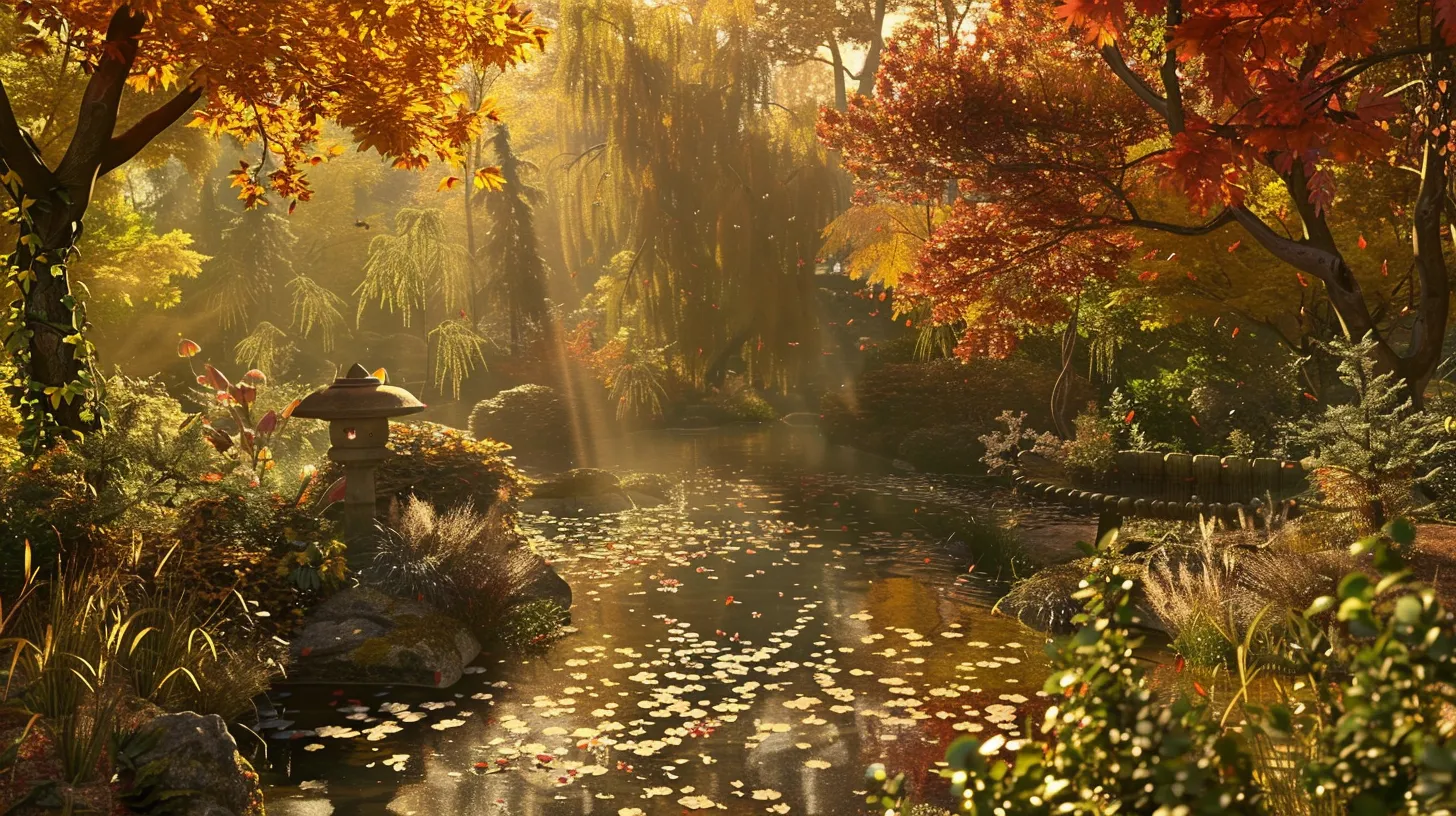
Understanding the size and growth requirements of different Japanese maple varieties is essential for both urban and rural spaces. Ideal locations for planting these deciduous trees ensure they receive adequate sunlight and protection from harsh winds. Companion plants, such as ilex vomitoria and taxus, can enhance the beauty of Japanese maples, creating a vibrant landscape near fences or garden borders. This section will provide practical insights into selecting the right species, optimal planting spots, and compatible plant partners.
Size and Growth Requirements for Urban and Rural Spaces
Japanese maples vary in size, making it important to consider both urban and rural landscapes when selecting the right species. Smaller varieties, such as ‘Crimson Queen,’ offer a stunning burgundy foliage that can fit comfortably within tighter spaces, while larger types like ‘Aureum’ can thrive in expansive areas, bringing eye-catching orange hues in the fall. Homeowners in areas with clay soil should be mindful of drainage to ensure the trees flourish, and complementing them with shrubs such as spruce can provide structure and support for the overall aesthetic.
| Japanese Maple Variety | Size | Foliage Color | Ideal Soil Type |
|---|---|---|---|
| Crimson Queen | Small | Burgundy | Well-drained soil |
| Aureum | Large | Orange | Clay or well-drained soil |
Ideal Locations for Planting Japanese Maples
Ideal locations for planting Japanese maples involve careful consideration of sunlight and water availability. These trees thrive in partially shaded areas, making them excellent candidates for planting near water features or under the canopies of larger plants like aucuba or bamboo. When choosing a site, it’s vital to avoid locations with poor drainage to facilitate healthy growth, especially in environments where clay soils are common. Homeowners can enhance the visual appeal by arranging them close to colorful fruit-producing shrubs, ensuring that the vibrant foliage contrasts beautifully with the surrounding landscape.
- Consider partial shade for optimal growth.
- Place near water features for added beauty.
- Avoid poor drainage to promote health.
- Complement with plants like aucuba and bamboo.
- Create contrast with fruit-bearing shrubs.
Companion Plants That Enhance Japanese Maples
Companion plants play a vital role in enhancing the beauty of Japanese maples while also supporting the garden’s ecosystem. For instance, planting flowering species such as bee balm and coneflower can attract pollinators like hummingbirds, adding vibrant life to the landscape. Additionally, selecting heat-tolerant plants helps combat potential pest issues that may arise during the warm months, ensuring a healthy environment for both the maples and their companions. This thoughtful integration of plants can create a harmonious garden that flourishes together in various climates across the United States.
Caring for Japanese Maples in Georgia

Caring for Japanese maples in Atlanta requires attention to several key factors for optimal growth. Understanding soil needs, appropriate watering practices, and fertilization techniques plays an essential role in maintaining their health and ensuring vibrant foliage, including those deep purple varieties admired by many. Additionally, integrating companion plants like viburnum can enhance the overall garden appeal.
This section offers practical insights into creating the best environment for Japanese maples, helping homeowners enhance their landscapes effectively. With the right care, these trees can thrive and bring lasting beauty to any garden.
Soil Requirements for Optimal Growth
Japanese maples thrive best in well-drained soils rich in organic material, making the right soil choice critical for gardeners in Georgia. Mixing in materials like compost can promote healthy decomposition, improving soil structure and texture. Additionally, pairing these trees with companion plants such as chamaecyparis pisifera and podocarpus macrophyllus not only enhances aesthetic appeal but also optimizes the soil microbiome, providing a balanced environment for the trees while preventing disease. Regularly checking soil moisture and acidity levels ensures that Japanese maples remain vibrant and robust amid Georgia’s varied climate conditions.
Watering Practices to Maintain Health
Proper watering is vital for the health of Japanese maples, especially in Georgia’s varying climate conditions. Gardeners should aim to keep the soil consistently moist but not waterlogged, as excessive moisture can lead to root disease. Incorporating companion plants like euonymus japonicus and hibiscus syriacus can enhance the garden’s overall health by providing a diverse ecosystem that can help deter pests, while also offering beautiful contrast to the maples. Regularly checking soil moisture levels and adjusting watering practices to prevent excess runoff can help address common issues, including browsing damage from wildlife.
| Watering Tips for Japanese Maples | Frequency | Soil Conditions | Companion Plants |
|---|---|---|---|
| Maintain consistent moisture | Weekly during dry spells | Well-drained, rich in organic matter | Euonymus japonicus, Hibiscus syriacus |
| Avoid waterlogging | Check after heavy rains | Adapt to seasonal changes | Integrate with diverse plant types |
Fertilization Tips for Vibrant Foliage
To achieve vibrant foliage for Japanese maples in Georgia, proper fertilization is vital. Gardeners should use a balanced, slow-release fertilizer during the early spring to support healthy growth and enhance color. Regularly applying nutrients can benefit not only the maples but also nearby plants like camellia and cherry, creating a cohesive and lively garden. For tailored advice and recommendations on the best products, interested homeowners can request a quote through email to ensure their landscaping efforts yield the desired results.
Enhancing Your Garden With Privacy Shrubs
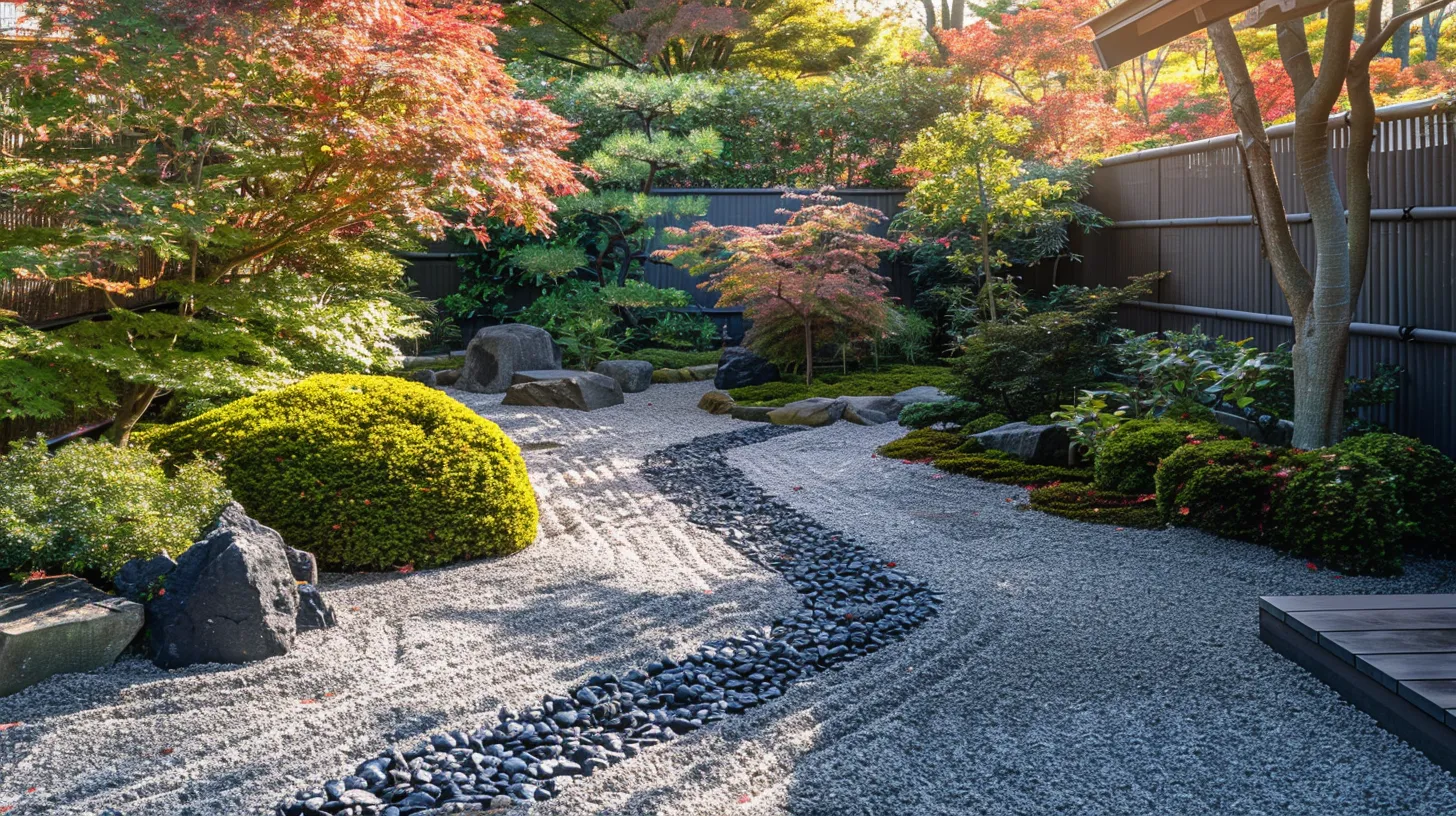
Choosing the right privacy shrubs can enhance a Japanese garden, providing both beauty and seclusion alongside Acer palmatum varieties. This section focuses on the best privacy shrub options, their growth habits and spacing needs, and tips for seasonal care and maintenance. Understanding these aspects will ensure a vibrant and cohesive garden layout, seamlessly integrating elements like Pinus strobus with striking Japanese maples.
Best Privacy Shrubs to Pair With Japanese Maples
Incorporating privacy shrubs alongside Japanese maples can create a stunning landscape while providing essential seclusion. Lagerstroemia, or crepe myrtle, is an excellent choice for Georgia gardens, as it thrives in the state’s warm weather and high humidity levels. These shrubs offer beautiful pink blooms that contrast beautifully with the vibrant foliage of Japanese maples, enhancing the overall aesthetic of the lawn and ensuring a harmonious integration of color and elegance in the garden.
Understanding Growth Habits and Spacing Needs
Understanding the growth habits and spacing needs of privacy shrubs is essential for creating a balanced landscape in conjunction with Japanese maples. Many shrubs, such as firs and crepe myrtles, thrive in moist soil and can adapt well to the yard’s conditions, enhancing its overall beauty. Homeowners should consult local plant nurseries to acquire suitable varieties and gain insights into their mature size, ensuring that each plant has enough space to flourish without overshadowing the dynamic colors of the maples.
Seasonal Care and Maintenance Tips for Privacy Shrubs
Seasonal care and maintenance of privacy shrubs, such as thuja and sambucus, play a critical role in ensuring they thrive alongside Japanese maples in Georgia. For optimal growth, these shrubs prefer loam or well-draining soil, which provides essential nutrients and moisture retention. Regular watering, especially during periods of drought, helps maintain their vigor; however, it’s important to avoid overwatering, which can lead to root rot. In addition, applying mulch around the base can help regulate soil temperature and retain moisture, supporting healthy growth throughout the changing seasons. Lastly, pruning after blooming will encourage new growth and maintain an elegant shape, enhancing the overall garden aesthetic.
Benefits of Cedar Mulch for Japanese Maples
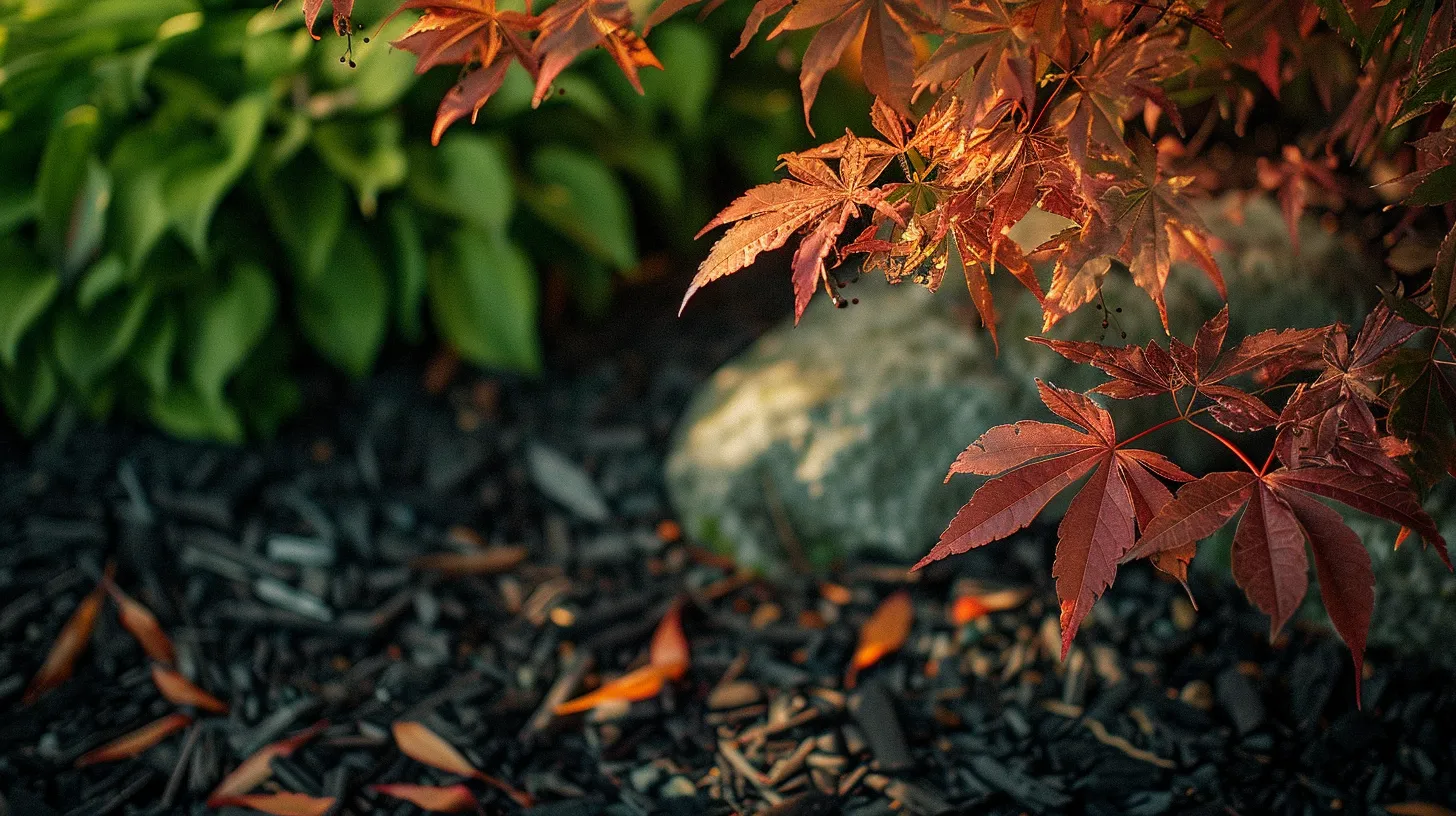
Cedar mulch offers several advantages for maintaining Japanese maples in landscape design. It effectively retains moisture around the roots, promotes healthy growth, and helps control weed populations, which can compete for resources. Proper application techniques can maximize these benefits, enhancing both aesthetic appeal and plant health in gardens featuring other plants like pinus nigra and cortaderia selloana, while minimizing noise from surrounding areas.
Advantages of Using Cedar Mulch in Your Landscape
Cedar mulch provides several advantages to enhance the health and aesthetics of landscapes featuring Japanese maples. Its ability to retain moisture around the root systems promotes robust growth, ensuring the hardiness of these trees during Georgia’s varying weather conditions. Furthermore, cedar mulch can help create a habitat for beneficial wildlife, thus contributing to a balanced ecosystem and reducing the need for chemical treatments in gardens.
- Moisture retention to support root health.
- Enhances the hardiness of Japanese maples.
- Promotes a habitat for beneficial wildlife.
- Reduces the need for chemical treatments.
How Cedar Mulch Retains Moisture and Controls Weeds
Cedar mulch is an excellent choice for retaining moisture around Japanese maples, a crucial factor in ensuring the health of these trees, particularly in Georgia’s variable climate. Unlike rocks and gravel, cedar mulch retains moisture by reducing evaporation, providing a consistent water supply to the roots, which is essential for the growth of perennial plants and specific cultivars like ‘Crimson Queen.’ Additionally, cedar mulch helps control weeds that can compete with Japanese maples for nutrients, thereby enhancing the overall beauty and functionality of a wildlife garden.
| Key Benefits of Cedar Mulch | Description |
|---|---|
| Moisture Retention | Reduces evaporation and keeps the soil consistently moist for Japanese maples. |
| Weed Control | Minimizes competition for nutrients by suppressing weed growth. |
| Support for Wildlife | Creates a beneficial habitat and supports ecosystem health in the garden. |
Application Techniques for Effective Mulching
Effective mulching with cedar around Japanese maples involves several practical techniques that ensure optimal health and functionality. Gardeners should apply a layer of cedar mulch, typically around 2-4 inches thick, to retain moisture while allowing for proper aeration. It is recommended to keep mulch away from the tree’s base to prevent moisture buildup, which can lead to disease. Additionally, integrating plants like laurus nobilis nearby can help reduce allelopathy effects, fostering a more balanced ecosystem in the woodland setting. This layered approach supports soil health and enhances the visual appeal of the garden.
- Apply cedar mulch in a 2-4 inch layer.
- Avoid placing mulch directly against the tree’s base.
- Integrate laurus nobilis for improved ecosystem health.
- Support soil aeration to promote root health.
- Enhance the visual appeal alongside Japanese maples.
Local Resources for Purchasing and Care in Georgia
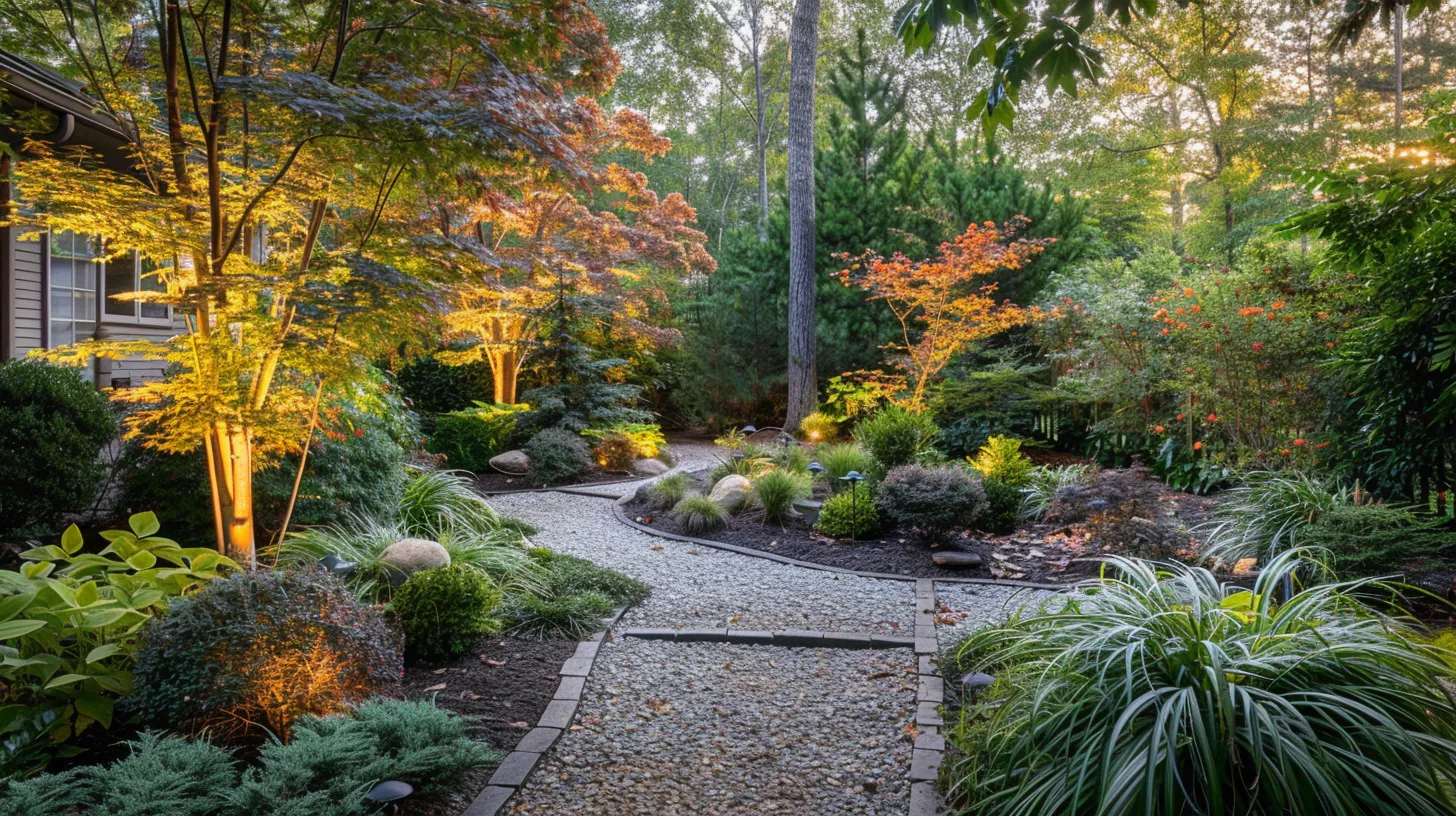
Finding quality Japanese maples and privacy shrubs begins with selecting the right nurseries and garden centers in Georgia. Local resources offer a range of options, from expertly cultivated varieties featuring appealing variegation to unique selections like cedrus deodara and aucuba japonica. Additionally, expert tips from local gardeners and landscapers can provide valuable insights on care strategies and planting techniques to ensure thriving landscapes.
Finding Quality Japanese Maples and Privacy Shrubs
Homeowners seeking quality Japanese maples and privacy shrubs in Georgia should explore local nurseries and garden centers that specialize in hybrid varieties. Shops that feature both bonsai and traditional Japanese maples often provide diverse options to suit various landscape needs, including privet hedges that enhance privacy without overshadowing the beauty of the maples. Additionally, incorporating nearby rose bushes can create a vibrant garden environment that attracts birds and other wildlife, enriching the overall garden experience.
Recommended Nurseries and Garden Centers in GA
Homeowners in Georgia seeking high-quality Japanese maples can find numerous recommended nurseries and garden centers that cater to the unique climate of the area. Locations such as the Atlanta Botanical Garden and local landscape centers offer a diverse selection of maple varieties, known for their vibrant bark and seasonal color changes. Customers can also receive expert advice on optimal care practices, including how to nurture these trees through periods of rain while ensuring healthy growth and aesthetic appeal, making the experience both informative and enjoyable.
Expert Tips From Local Gardeners and Landscapers
Local gardeners and landscapers emphasize the importance of choosing Japanese maples that align with the specific hardiness zone of Georgia. They recommend selecting varieties known for their resilience, such as cedrus and myrtus, which can thrive in the region’s climate. Additionally, ensuring proper drainage in the soil is crucial, as excess water can lead to root issues; strategically incorporating cypress can enhance moisture retention while providing a complementary aesthetic. These insights, grounded in hands-on experience, help homeowners cultivate vibrant landscapes that showcase the elegance of Japanese maples.
Conclusion
Japanese maples significantly enhance landscapes in Georgia by adding vibrant color and elegance throughout the seasons. Their unique characteristics and adaptability make them suitable for various garden designs, while pairing them with the right companion plants promotes a thriving ecosystem. Understanding their specific care needs, including soil type, watering practices, and suitable locations, ensures these trees flourish in the state’s climate. By incorporating Japanese maples, homeowners can create captivating and harmonious gardens that draw attention and elevate outdoor spaces.