Comprehensive Guide to Landscaping Rocks and Gravel in Georgia
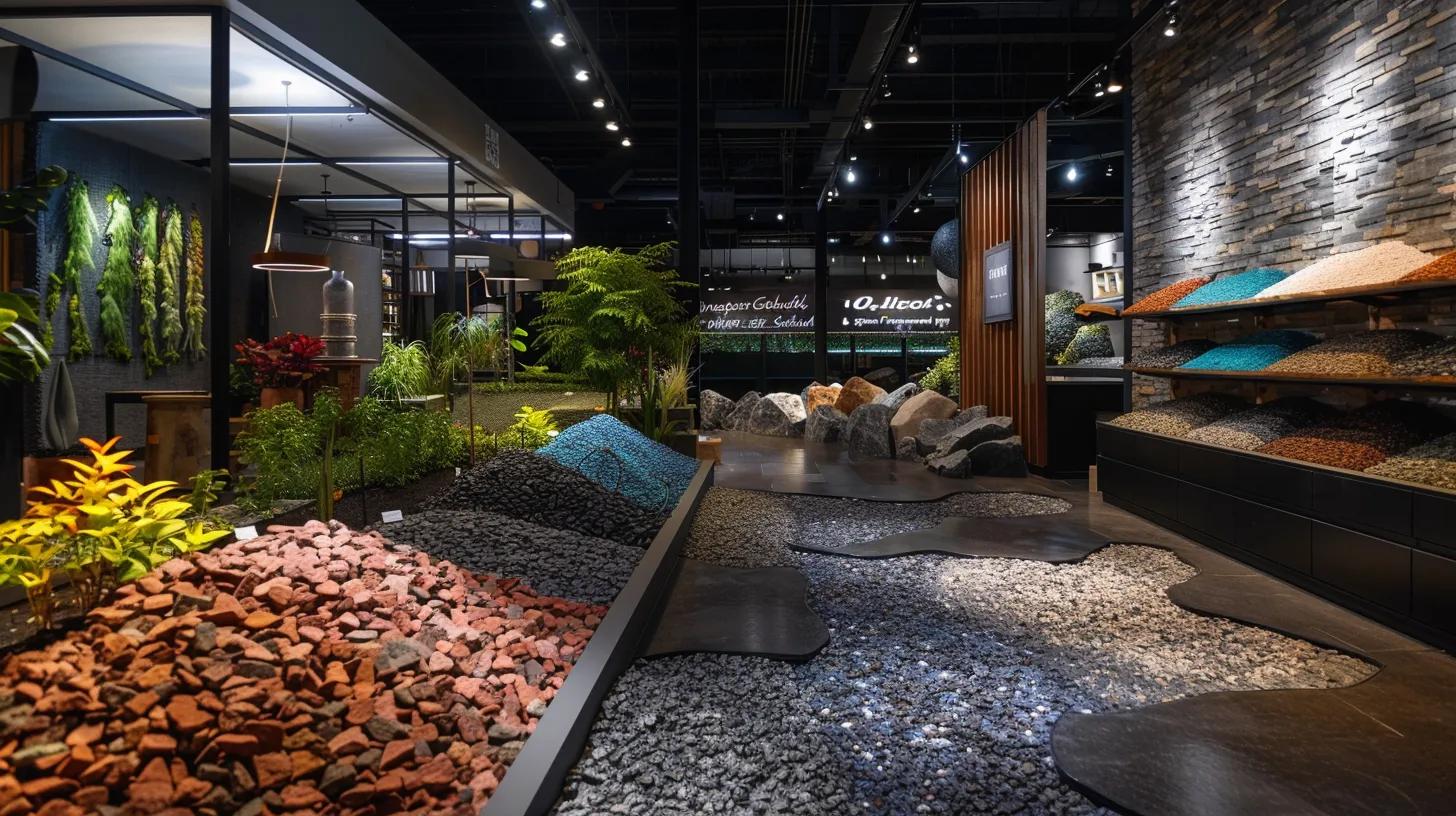
Your Complete Guide to Landscaping Rocks and Gravel Suppliers in Georgia
Georgia’s varied terrain—from the Blue Ridge Mountains to the coastal plains—offers abundant sources of landscaping rocks and gravel suited for patios, hardscape elements, water garden supplies, and concrete block retaining walls. Understanding local quarries, material characteristics, and installation best practices helps homeowners and landscape architects select durable crushed stone, pea gravel, river rock, and slate at competitive prices. This guide explains where to find quality supplies, compares rock types and sizes, and shares maintenance strategies for lasting outdoor designs.
Key Takeaways
- Georgia quarries supply granite, marble, and river rock for diverse landscaping needs.
- Verify ASTM and AASHTO compliance when sourcing crushed stone and pea gravel.
- Use interlocking block walls with #57 backfill and geogrid for stable retaining structures.
- Incorporate UV-resistant liners, aeration, and biofilters for long-lasting water features.
- Schedule annual maintenance to replenish aggregates and clean hardscape surfaces.
What are the main sources of landscaping rocks and gravel in Georgia?
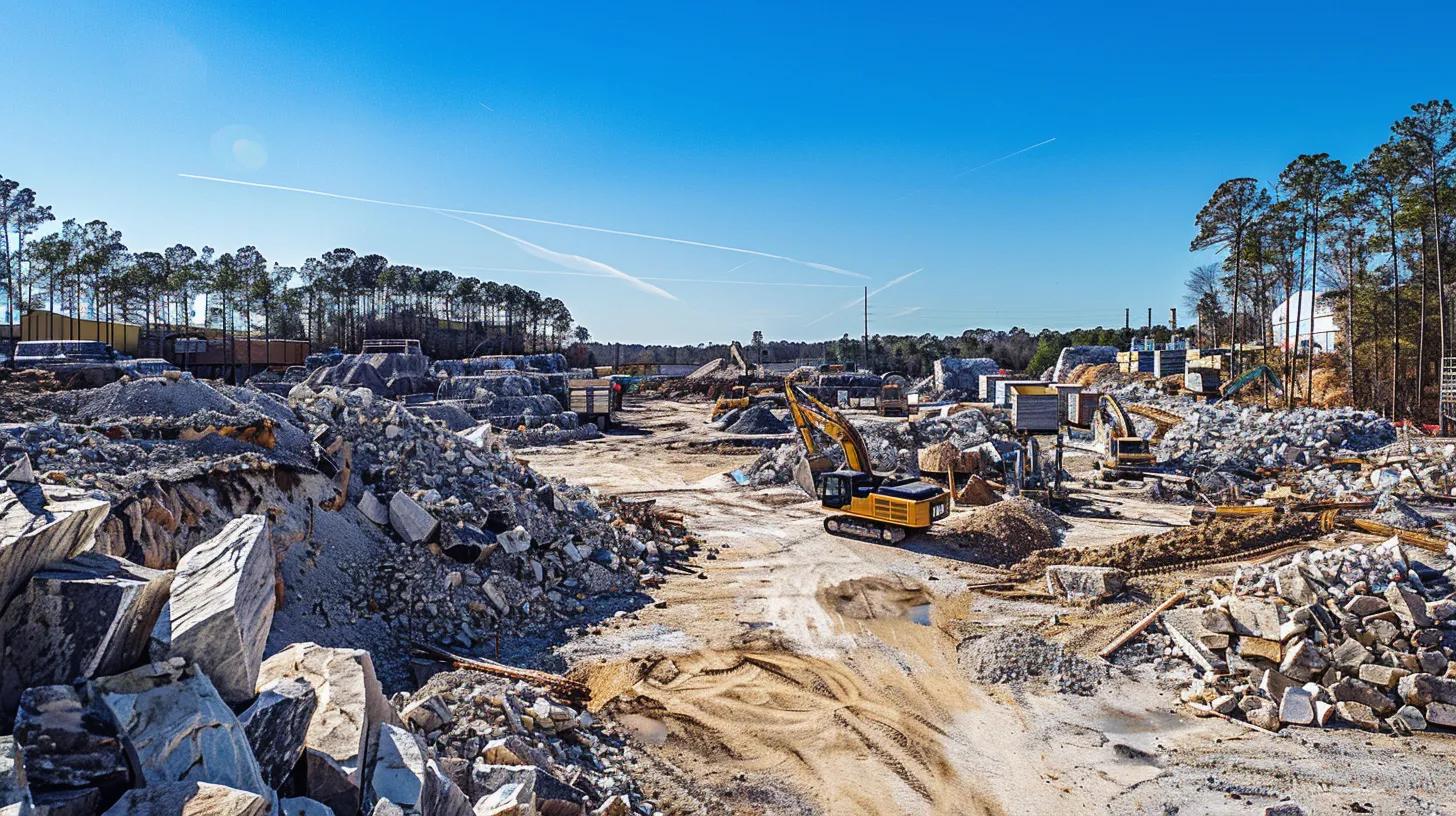
Georgia’s premier sources of landscaping rock and gravel include active quarries in Chattooga County, Dahlonega, and the Atlanta metropolitan area, where granite, gneiss, and quartzite are extracted and crushed on-site. These quarries supply bulk tons of decomposed granite, #57 crushed stone, and pea gravel used for patio pavers and driveways. Local quarries often offer delivery within 50 miles and stock specialized aggregates such as Georgia marble screenings and river cobble for garden pond supplies. For more information, please visit our services=””>services”>services, about-us, or check out our gallery=”” href=”https://doublealandscapesupply.com/<a href=” https:=””>gallery”>gallery. You can also explore our faqs or contact-us=”” doublealandscapesupply.com=”” href=”https://doublealandscapesupply.com/<a href=” https:=””>contact-us”>contact-us for additional support.
Quarry operators like Georgia Marble Company provide up to 10,000 cubic yards of crushed stone annually, while small family-owned pits in North Georgia yield hand-selected boulders for water features. These varied sources ensure a range of textures—from angular crushed stone that compacts firmly under paver base to smooth pea gravel that promotes drainage and prevents soil erosion around retaining wall blocks. For more information, visit our services page, explore our gallery, check out our faqs, learn about us on our about-us page, or reach out through our contact-us section.
How do you source high-quality landscaping rocks and gravel in Georgia?

html
Sourcing high-quality landscaping products begins with verifying aggregate gradation, stone hardness (measured by Mohs scale), and supplier certifications. Buyers should request an AASHTO M 43 gradation chart from suppliers to confirm stone sizes such as #8 pea gravel (3⁄8″ nominal) or #3 river rock (1–2″ nominal). Checking for ASTM C33 compliance ensures crushed stone meets strength and durability standards for patios and drainage layers. For more information about our services, visit our gallery or check our faqs. If you have any questions, please contact-us or visit our about-us.
html
Reputable suppliers like Bulldog Stone & Gravel in Marietta and Rock Solid Aggregates in Athens provide free onsite sampling. These companies offer photo documentation of stockpiles and third-party lab results showing compressive strength of over 4,000 psi for granite aggregates. Bulk delivery fees typically range from $5 to $12 per ton within a 25-mile radius, with discounts for orders over 50 tons. For more information, visit our about-us page or explore our services and gallery. If you have any questions, check our faqs or contact-us.
Term:
What retaining wall materials suit modern outdoor designs?
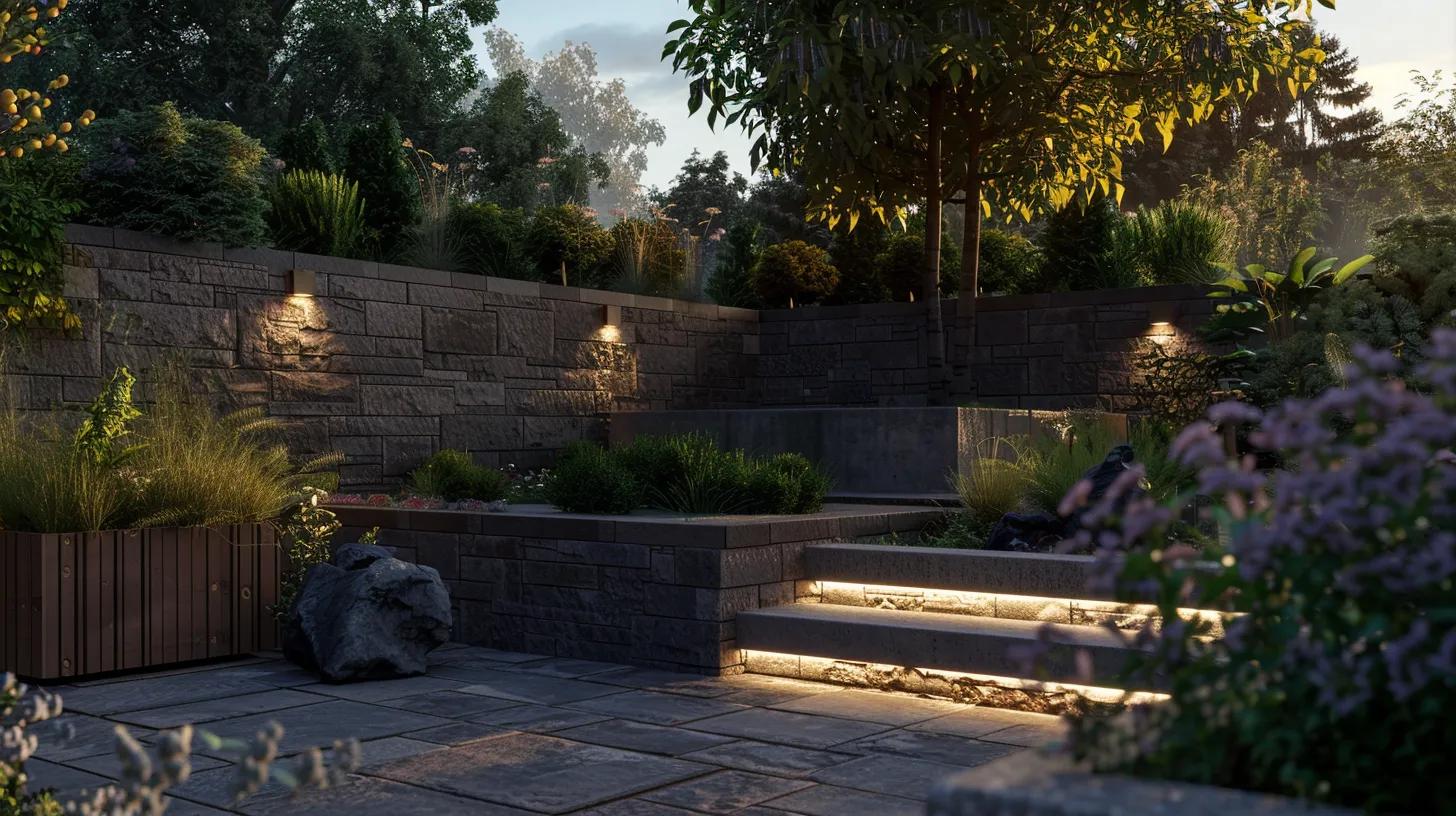
Concrete block retaining wall solutions, such as Nicolock Wall Blocks or Allan Block, complement crushed stone backfill and geogrid reinforcement for slopes up to 10 feet high. These modular blocks interlock without mortar, allowing for gravity-based or reinforced walls that integrate with hardscape patios and garden pond kits. A common specification uses #57 crushed stone (0.75″–1.5″) behind the block for proper drainage and prevents hydrostatic pressure buildup. For more information, please contact-us or services. Visit our gallery to see examples of our projects or check our faqs. Learn more about our about-us.
Innovative designs combine dry stacked stone veneer on concrete wall blocks for natural aesthetics, while steel-reinforced concrete walls use 6 x 6 W2.9/W2.9 welded wire mesh embedded in backfill. Suppliers such as RetainRight carry both standard gray block and colored wall blocks for accent walls, with tensile strength exceeding 1,500 psi and installation guidelines following NCMA SRWU specifications. For a comprehensive overview of our services, please visit our gallery and faqs. For more information, visit our about-us page or contact-us.
Which water garden supplies are tailored for Georgia landscapes?
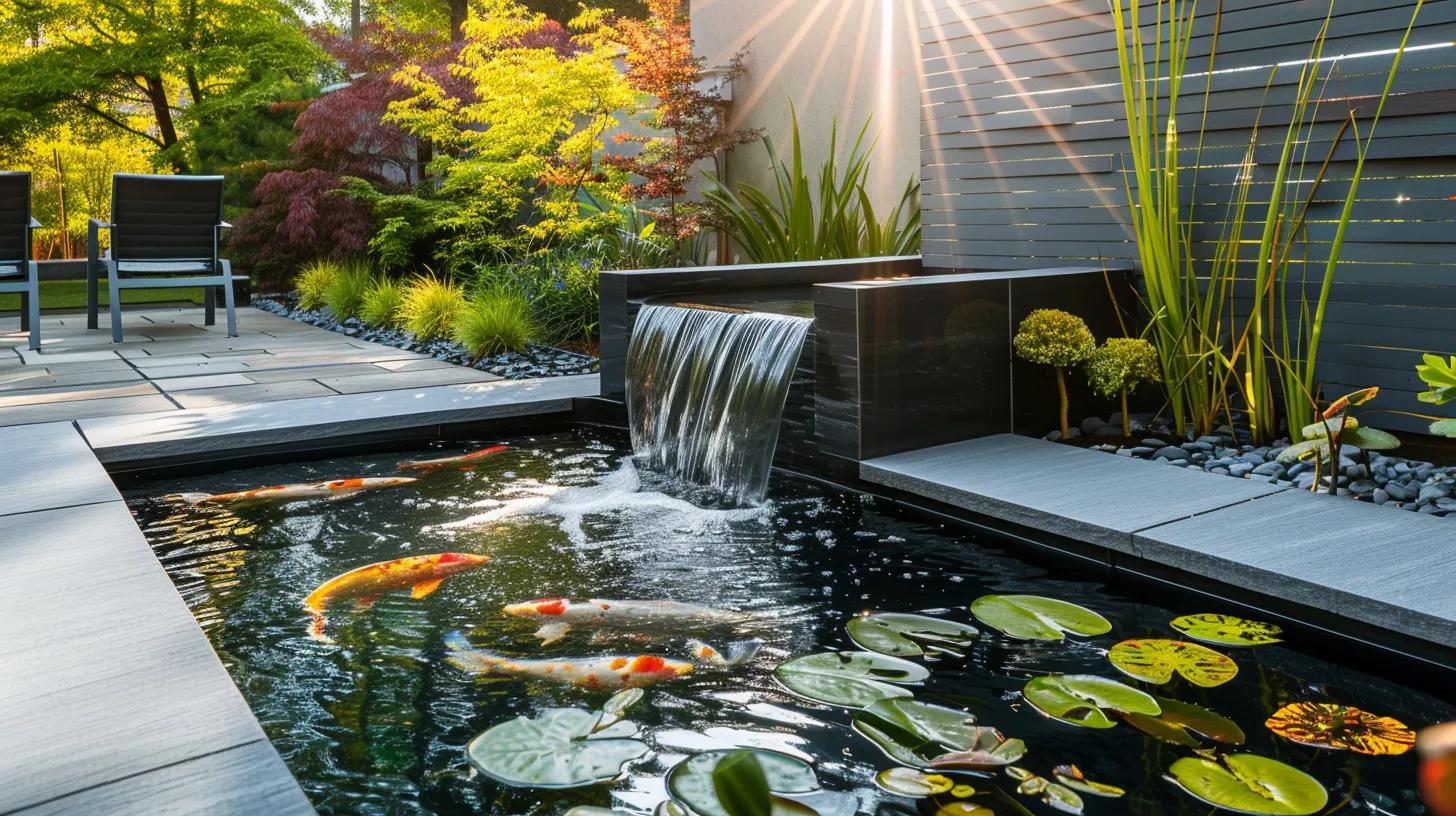
Water garden supplies—ranging from UV clarifiers, pond pump and filter systems, to koi pond liners—must resist Georgia’s heat and occasional freeze–thaw cycles. Brands like Oasis Aquatic Supplies offer EPDM pond liners rated for 20 years of UV exposure and submersible pumps (rated 2,400 GPH at 1 ft head) sized to recirculate the total water volume every 2 hours. For more information, please visit our faqs, contact-us, about-us, services, or gallery page.
Supplemental aeration systems using air stones and diaphragm compressors maintain dissolved oxygen above 6 mg/L, crucial for fish and plant health in hot summer months. Our services include waterfall spillways and pond fountain pumps that balance aesthetics with functional turnover rates, while biofilters loaded with ceramic media help reduce ammonia to below 0.5 ppm, preserving water clarity and ecosystem balance. For more information, please visit our faqs, gallery, about-us, or contact-us.
How do rock types, sizes, and applications compare statewide?
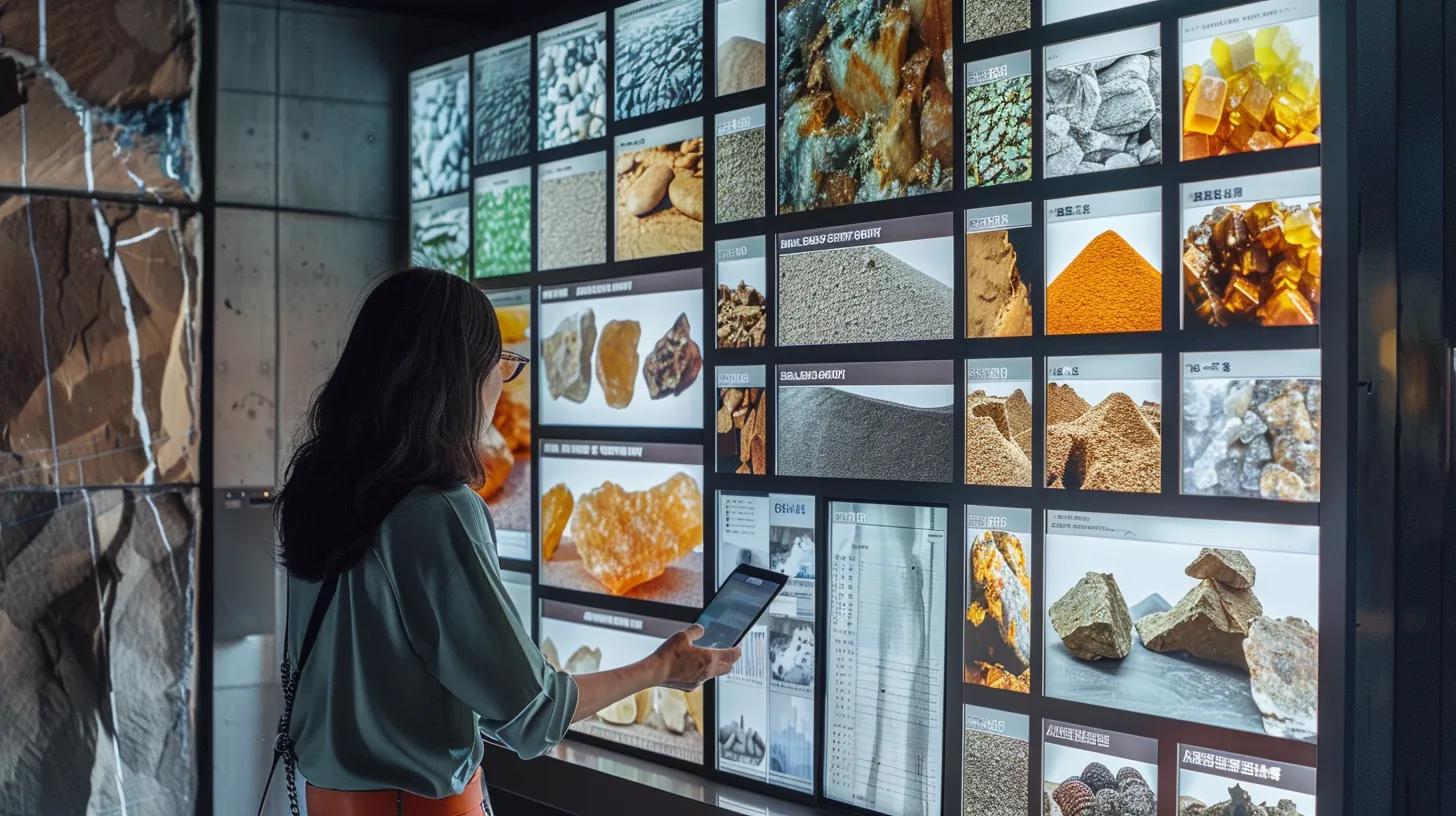
Georgia’s landscaping aggregates range from fine decomposed granite (<0.25″ minus) to large boulders (>2 tons). Each rock type serves specific uses: pea gravel for pathways, #10 crushed stone for paver base, and 2–3″ river rock for decorative garden bed mulch. Understanding aggregate attributes such as permeability rate (up to 12 in/hr for angular crushed stone) and porosity guides proper selection. For more information about our services, please visit our faqs, about-us, or contact-us. Additionally, explore our gallery to see examples of our work.
Below is a comparison table summarizing common rock types:
| Aggregate | Size (nominal) | Primary Use | Permeability |
|---|---|---|---|
| Pea Gravel | 3⁄8″ | Drainage, pathways | 8 in/hr |
| #57 Crushed Stone | 3⁄4″–1″ | Paver base, frost protection | 10 in/hr |
| River Rock | 1″–2″ | Accent mulch, dry creek beds | 6 in/hr |
| Decomposed Granite | <1⁄4″ | Patio infill, trail surfacing | 12 in/hr |
This table highlights how each material balances permeability and load-bearing capacity, guiding landscapers in selecting suitable aggregates for soil erosion control, terrace drainage, and garden pond perimeters. For more information, please visit our about-us, services, or gallery. You can also explore our faqs or contact-us for further assistance.
What are best practices for installation and ongoing maintenance?
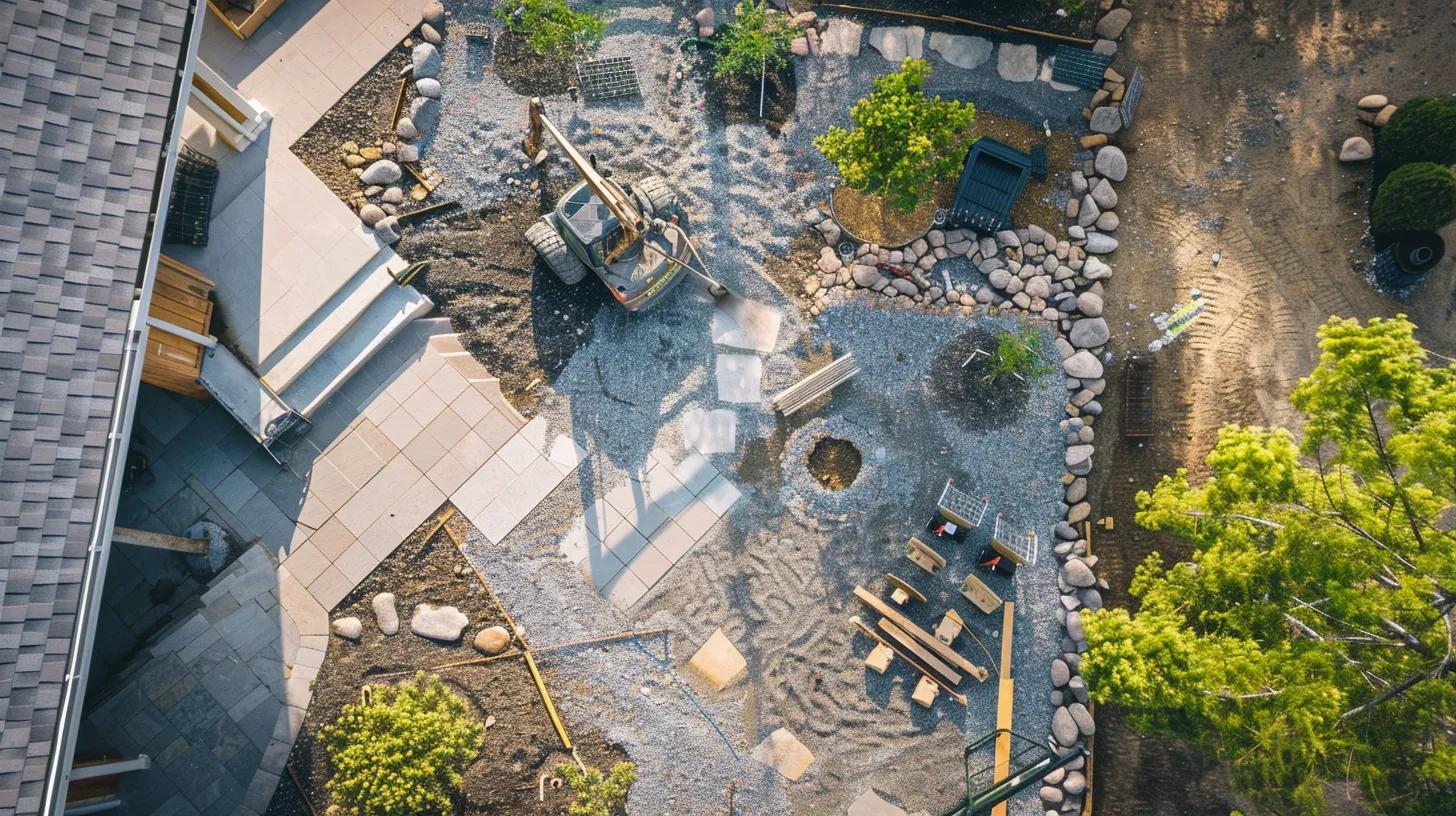
Proper installation of landscaping rocks and gravel starts with subgrade compaction using a plate compactor set to 4,000 lb centrifugal force, followed by geotextile fabric to separate soil from aggregates. For more information about our services and to view our gallery, a typical section detail uses 4 in of #57 crushed stone under paver base and 1 in of bedding sand under flagstone. If you have questions, check our faqs or get in touch through our contact-us page or learn more on our about-us page.
Ongoing maintenance includes annual weeding, replenishing displaced pea gravel by 0.5 in per season, and pressure washing limestone or granite pavers at 3,000 psi to remove algae and staining. For concrete retaining walls, inspect drainage pipes and clean toe drains yearly to prevent blockage. Regularly check pond pumps and replace filters every 6 months to maintain 85% flow efficiency and clear water in under 2 days. For more information about our services, visit our about-us page or contact-us for any inquiries.
Where can you find reputable suppliers and request a quote?

- Bulldog Stone & Gravel (Marietta): Bulk pea gravel, #57 stone, EZ online request-a-quote form
- Georgia Marble Company (Dahlonega): Screenings, marble chips, custom boulder orders
- Oasis Aquatic Supplies (Alpharetta): Pond liners, UV clarifiers, pump and filter combos
- RetainRight Systems (Atlanta): Concrete block retaining wall kits, geogrid accessories
- Rock Solid Aggregates (Athens): Custom aggregate blending, same-day delivery within 20 miles
These suppliers offer online ordering, delivery calculators (delivery fee: $7/ton within 30 miles), and technical support for material selection based on Georgia’s climate and soil conditions.
How much gravel do I need for a 10×12 ft patio?
You need about 1.5 tons of #57 crushed stone for a 4 in base on that patio size.
Can I use pea gravel around concrete retaining walls?
Yes. Pea gravel provides drainage and prevents hydrostatic pressure behind the wall.
What maintenance does decomposed granite require?
DG requires occasional raking and ¼ in additions each spring to maintain level surfaces.
Is river rock suitable for dry creek beds?
River rock’s smooth rounded edges and 1–3 in size make it ideal for dry creek installations.
Do pond pumps need winterization in Georgia?
Submersible pumps should be removed if pond freezes, but most areas rarely freeze solid.
Selecting the right landscaping rocks and gravel from Georgia suppliers ensures durable patios, reliable drainage, and beautiful water gardens tailored to regional conditions. Understanding material properties—such as permeability rates, hardness, and sourcing—helps professionals and homeowners specify aggregates that meet ASTM and NCMA standards. Proper installation techniques, including subgrade preparation, geotextile separation, and compaction, underpin long-term performance. Regular maintenance of gravel beds, paver joints, and pond systems preserves functionality and aesthetics throughout Georgia’s varied climate.