Simplify Landscaping With Bulk Mulch Delivery Services
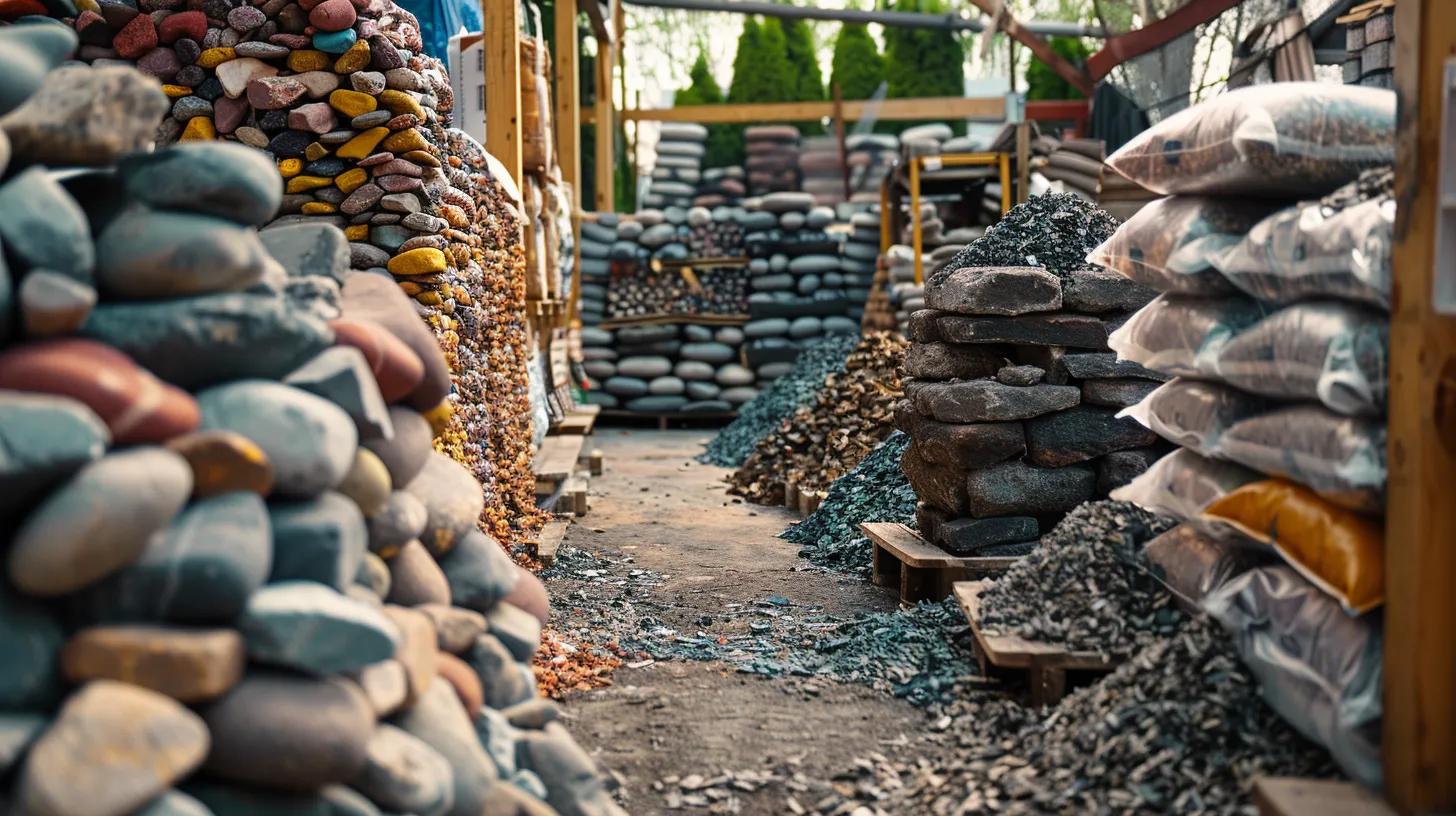
Bulk Mulch Delivery and Decorative Stone: Simplify Your Landscaping Projects
Bulk mulch delivery and decorative stone transform garden design by saving time, reducing waste, and improving plant health. This article explains their roles in landscape supply chain optimization, highlights key benefits, and provides practical strategies for efficient installation. You’ll learn how to select reliable services, compare materials like pine mulch and lava rock, and combine products to streamline any yard or patio upgrade.
Key Takeaways
- Bulk delivery cuts trips to garden centers and saves up to 25% in labor costs.
- Organic mulch enriches soil while stone enhances drainage and weed suppression.
- Strategic layering of mulch and stone streamlines maintenance and boosts plant health.
- Reliable suppliers deliver within 48 hours and provide certified organic or graded materials.
- Planning volumes with a cubic yard calculator prevents waste and cost overruns.
What Is Bulk Mulch Delivery and How Does It Benefit Landscape Projects?
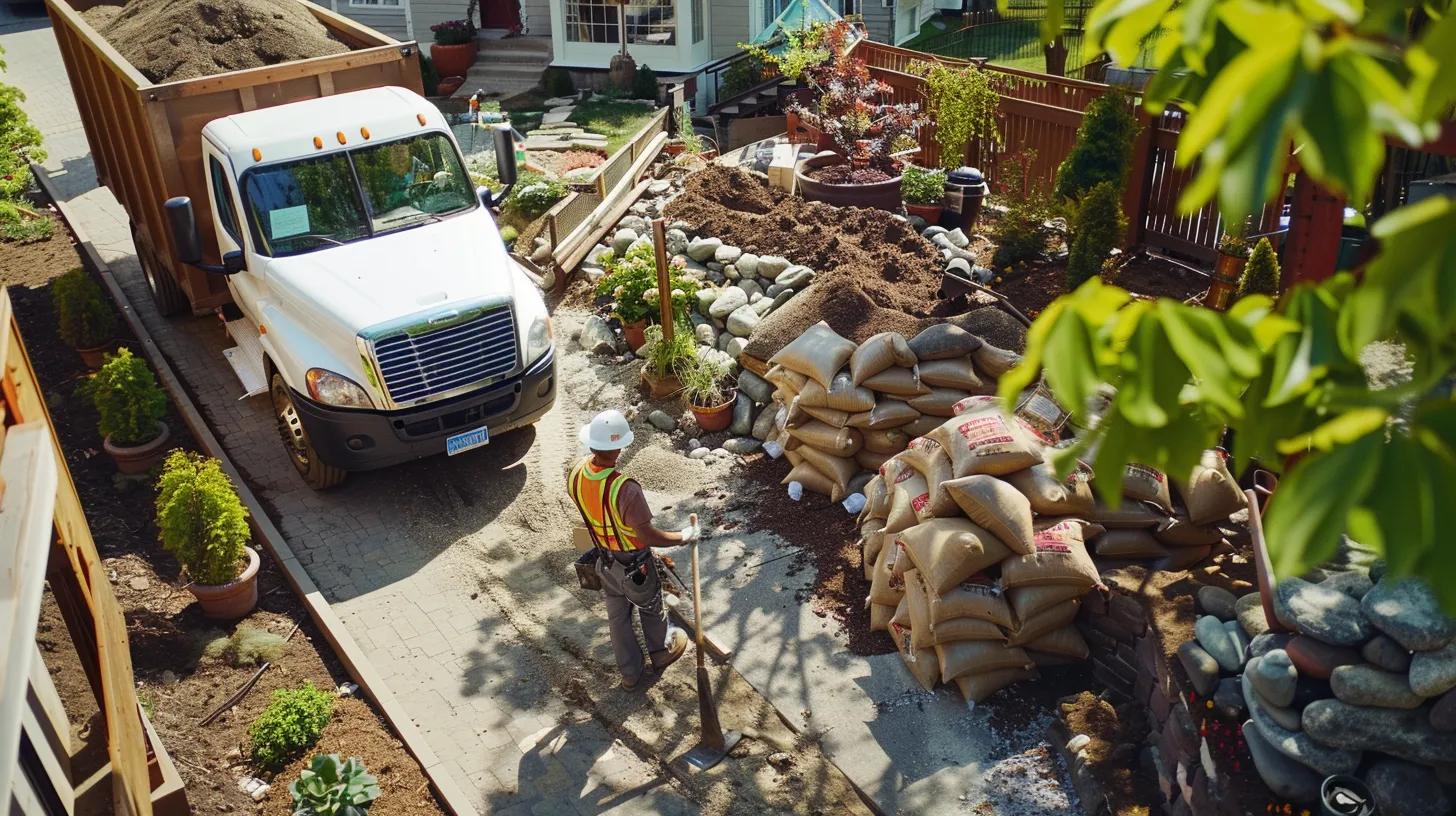
Bulk mulch delivery benefits landscape projects by transporting large volumes of organic matter—such as woodchips, cypress bark, and compost—in a single order directly to your yard. This service streamlines the supply chain for landscapers and homeowners, eliminating multiple trips to garden centers and reducing soil conditioner expenses by up to 20% per cubic yard according to a 2021 study by Oregon State University. With mulch delivered in bulk, you secure consistent quality, cut labor time by 30%, and ensure even coverage across planting beds. To learn more about our services, visit our about-us page or request-a-quote today.
By integrating decorative stone options like crushed stone or pea gravel alongside mulch delivery services, landscapes gain both functional and aesthetic enhancements. Decorative stone reduces erosion, while organic mulch supports moisture retention—creating a durable, low-maintenance hardscape that appeals to any home improvement or garden design project. When mulch and stone arrive together, project timelines compress, eliminating gaps in material availability that often stall yard renovation. For more information, please contact-us or request-a-quote.
What Are the Benefits of Using Organic Mulch Suppliers and Decorative Stone?
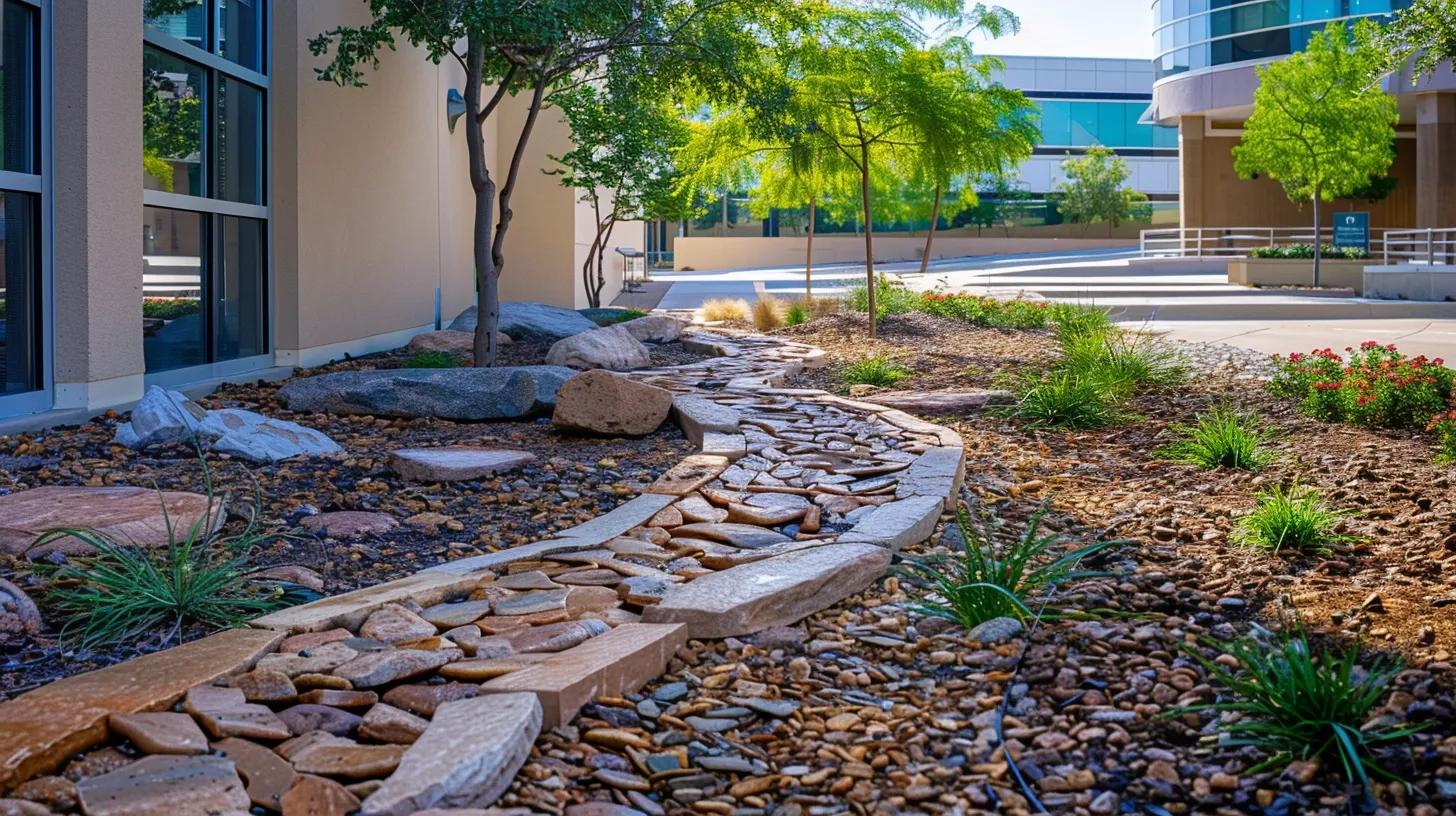
Using organic mulch suppliers and decorative stone improves soil health, moisture control, and curb appeal simultaneously. For more information, visit our services page. Organic mulch like hardwood bark adds nutrients as it decomposes, providing up to 5% organic matter increase in topsoil over one year, while decorative stone offers durable ground cover that resists erosion and suppresses weeds by up to 40%, as shown in a 2019 Texas A&M University report. If you have any questions, check out our faqs or contact-us.
These materials work together to reduce maintenance. Decorative stone pathways keep mulch out of lawn mower decks, and mulch beds around shrubs retain moisture for root systems, reducing irrigation needs by 35% in arid climates. Both products support sustainable landscape fabric use by extending its lifespan, which minimizes waste and landfill contributions. For more information, please contact-us or visit our gallery.
Key benefits include:
- Enhanced moisture retention: Mulch decreases evaporation by 25–30%.
- Weed suppression: Stone reduces weed growth by up to 40%.
- Improved soil fertility: Organic matter content increases annually.
- Erosion control: Combined materials stabilize slopes and drainage areas.
- Visual contrast: Colorful gravel or marble chip highlights planting beds.
This list demonstrates how mulch and stone complement each other to deliver holistic landscape solutions, further reinforcing the supply chain efficiency gained through bulk delivery and consolidated material sourcing.
Below is a table comparing core attributes of organic mulch versus decorative stone and their combined impact on garden performance.
| Material | Primary Function | Key Benefit | Performance Metric |
|---|---|---|---|
| Hardwood Mulch | Soil enrichment | Increases organic matter | +5% OM/year |
| Pine Bark | Moisture retention | Reduces evaporation | –30% water loss |
| Pea Gravel | Drainage | Prevents pooling | 5 cm/hr infiltration |
| Lava Rock | Weed suppression | Blocks light | –40% weed growth |
This table clarifies material functions, while the combination of mulch and decorative stone creates balanced landscapes that reduce maintenance and support plant health.
How Can You Choose a Reliable Bulk Mulch Delivery Service?

You can choose a reliable bulk mulch delivery service by evaluating supplier reliability, product quality, and delivery logistics. Leading suppliers guarantee delivery windows within 48 hours, provide detailed material specifications (e.g., 3–4” woodchip granularity), and offer certified organic certifications when required.
Factors to assess include customer service responsiveness, fleet capacity, and material stock levels. A comparison of top criteria is shown below to guide decision-making for landscape professionals or DIY homeowners seeking consistent supply and competitive pricing.
| Criterion | Attribute | Desired Standard |
|---|---|---|
| Product Quality | Purity & grading | 100% clear bark, no fines |
| Logistics | Delivery window | Within 2 business days |
| Pricing | Cubic yard rate | $30–$50 per cubic yard |
| Customer Service | Communication | Same-day email/phone response |
| Environmental Certifications | Organic/PEFC | Certified organic available |
Using these criteria, landscapers ensure they select suppliers that maintain inventory, manage waste responsibly, and deliver to the specified driveway or patio location without delays.
What Decorative Stone Varieties Should You Consider for Custom Landscaping?
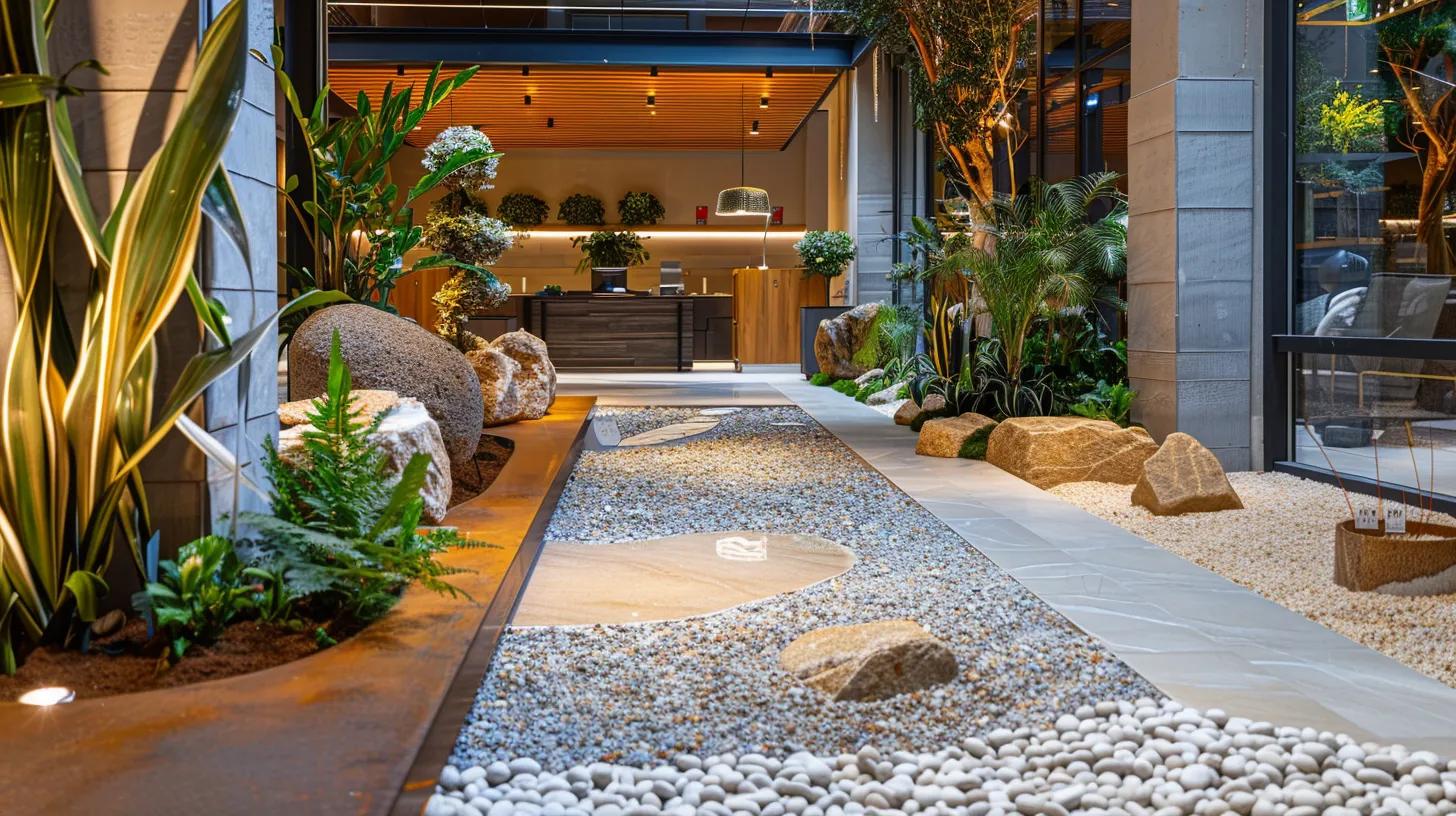
You should consider decorative stone varieties such as pea gravel, marble chips, decomposed granite, river rock, and trap rock to match distinct landscape aesthetics and performance needs. Each stone type offers specific attributes—pea gravel enhances drainage at 5 cm/hr, while marble chips reflect light to boost nighttime visibility and warmth retention.
Below is a detailed list of common decorative stone choices along with their defining characteristics and ideal use cases.
- Pea Gravel – Smooth, ¼–⅜” diameter; ideal for walkways and permeable patios.
- Marble Chips – White to gray, ½–1½”; best for accent borders and contrast.
- Decomposed Granite – ⅛–¼” fragments; excellent for ADA-compliant paths.
- River Rock – 1–4” smooth stones; suitable for dry creek beds and erosion control.
- Trap Rock – Angular, ¾–1½”; provides stability under heavy foot traffic.
These stone options support a variety of design intents—from low-maintenance garden beds that resist erosion to high-contrast borders that showcase perennials and shrubs.
Entity Table: Stone Varieties and Landscape Functions
| Stone Type | Function | User Intent | Related Query |
|---|---|---|---|
| Pea Gravel | Drainage, ground cover | Permeable patio | “best gravel for walkways” |
| Marble Chips | Accent, reflectivity | White garden border | “decorative white stone” |
| Decomposed Granite | Accessibility, stability | Disabled-friendly paths | “ada compliant pathways” |
| River Rock | Erosion control | Dry creek bed | “landscaping river rocks” |
| Trap Rock | Structural support | Heavy traffic areas | “driveway rock base” |
This table links stone entities to landscape functions, equipping users with targeted queries and material selection criteria.
How Do You Combine Bulk Mulch and Decorative Stone for Efficient Landscaping?
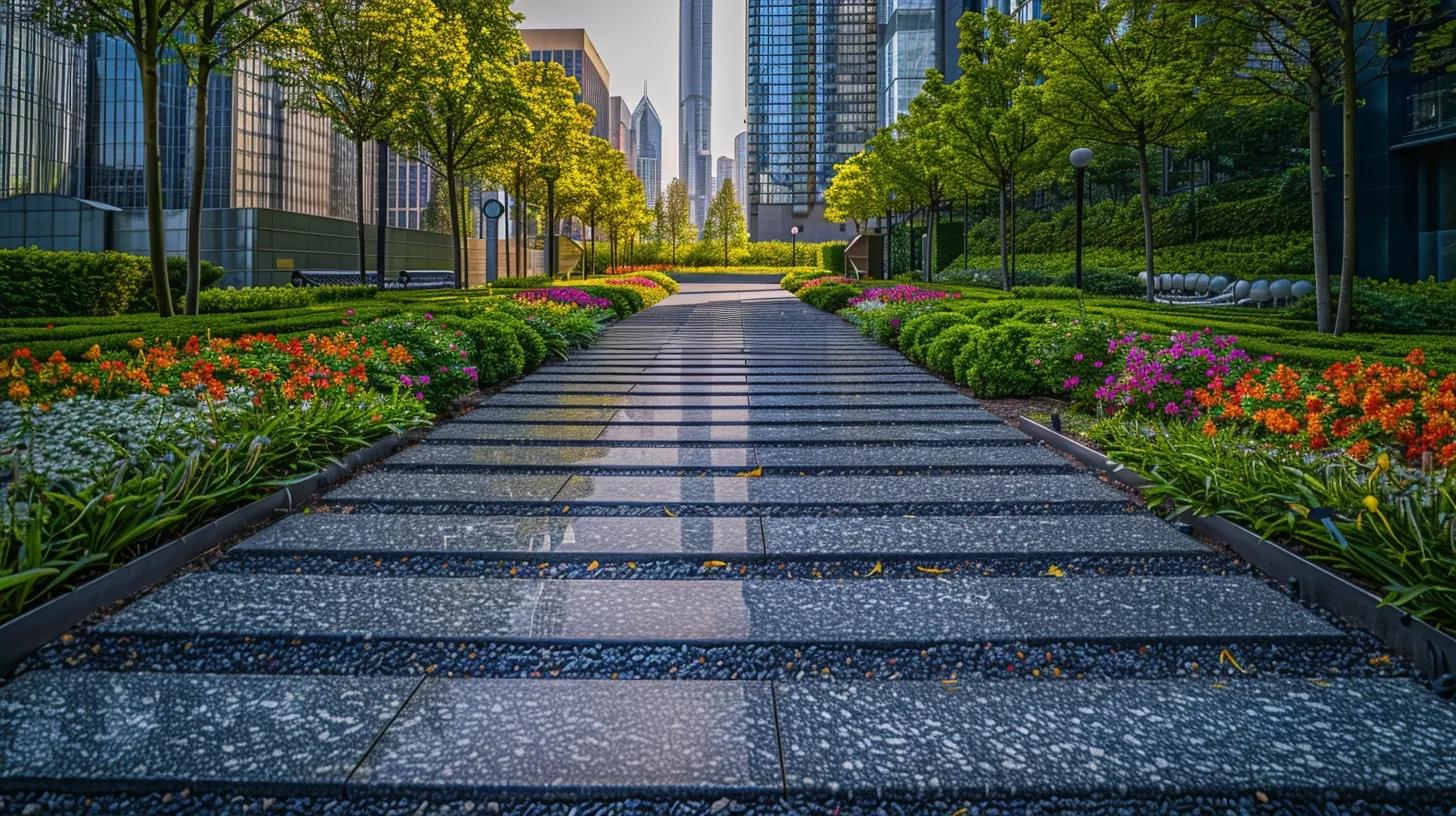
You combine bulk mulch and decorative stone by layering materials strategically to balance moisture retention, weed suppression, and visual appeal. Start with a layer of landscape fabric at 90 gsm under stone pathways to prevent weed growth, then edge planting beds with marble chips or pea gravel before applying 3–4” of organic mulch around perennials and shrubs.
Best practices include:
- Defining borders with stone edging to protect mulch beds.
- Laying 2–3” of mulch against trunks to maintain 60% soil moisture.
- Using contrasting colors—dark bark next to white marble—for visual depth.
- Installing stone in high-traffic zones, mulch in low-traffic planting areas.
- Maintaining a 2” gap between stone and plant stems to prevent rot.
By following these steps, you create a cohesive landscape design that leverages the functional advantages of each material while simplifying maintenance routines.
What Practical Strategies Simplify Your Landscaping Projects?
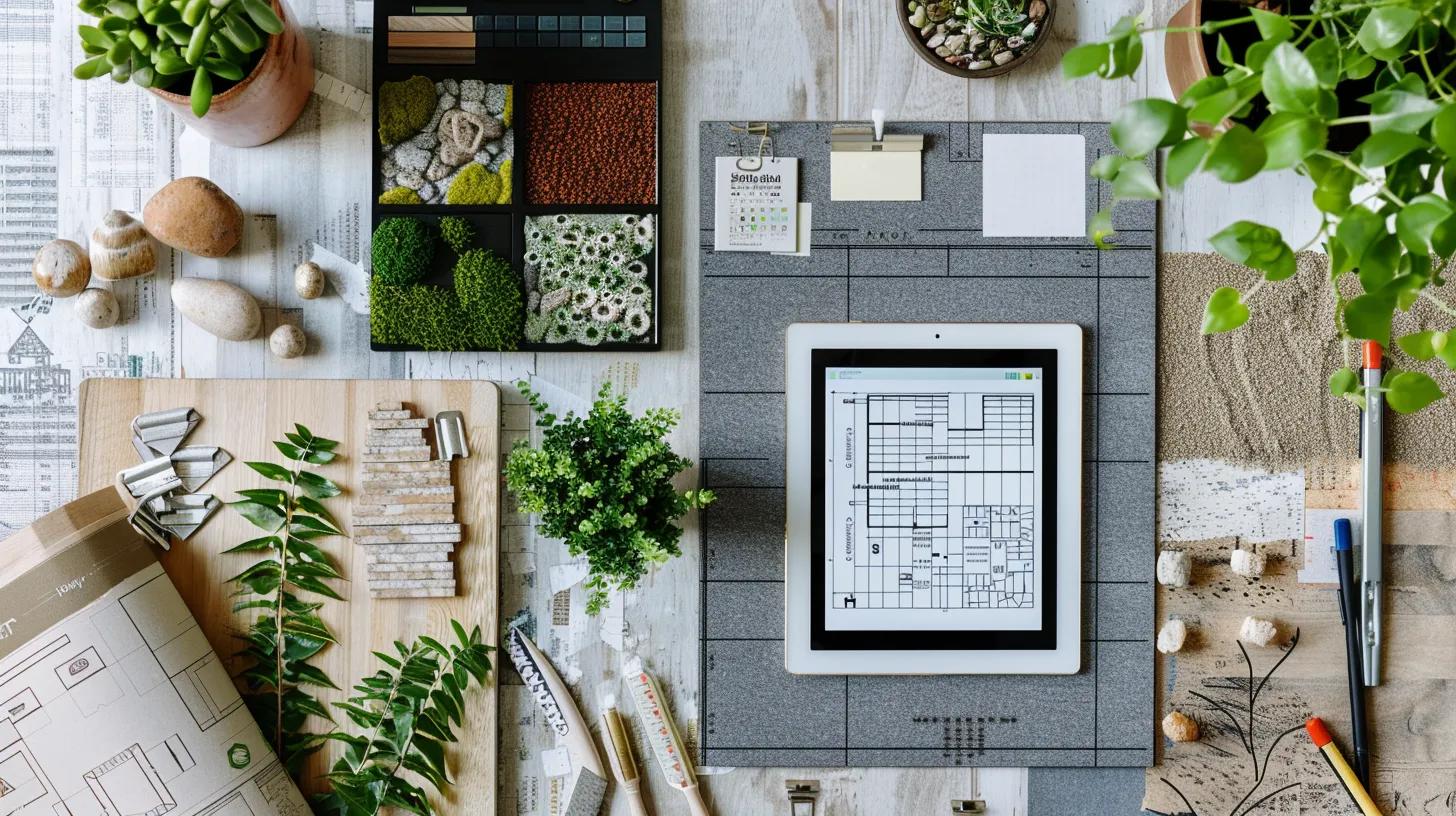
You simplify your landscaping projects by planning material quantities using a cubic yard calculator, scheduling deliveries during off-peak traffic, and grouping mulch and stone orders to benefit from bulk discounts of 10–15%. Combining tasks—such as soil preparation, fabric installation, and material spreading—into single workdays reduces labor costs by up to 25%.
Additional strategies include:
- Mapping project zones and ordering exact volumes (e.g., 5 cubic yards of mulch per garden bed).
- Coordinating with local haulers to stage materials near the work area.
- Leveraging eco-friendly options like rubber mulch for playgrounds to cut waste.
- Using digital tools—such as landscape design apps—to visualize mulch and stone layouts.
- Reusing stone from decommissioned garden paths to reduce material costs.
These tactics consolidate supply chain, materials management, and labor coordination into streamlined workflows that accelerate project completion and minimize waste.
How many cubic yards of mulch do I need per 100 sq ft?
You need about 1 cubic yard of mulch to cover 100 square feet at 3 inches depth.
Can I install decorative stone over existing soil?
Yes, install 2–4 inches of compacted crushed stone over prepared soil with weed barrier.
What time of year is best for mulch delivery?
Early spring or late fall ensures cooler temperatures and reduced demand for landscapers.
Do I need a permit for bulk material delivery?
Generally no permit is required, but check local HOA or municipal regulations for oversized trucks.
How long does decorative stone last in landscape beds?
Decorative stone can last 10–20 years with minimal settling when properly installed.
Bulk mulch delivery and decorative stone working together reduce project timelines by consolidating supply chain steps and lowering labor hours. Strategic layering of stone for drainage and mulch for moisture retention creates resilient, low-maintenance landscapes. Clear guidelines on material selection, delivery scheduling, and installation practices empower homeowners and professionals to complete projects efficiently. Embracing these combined practices leads to sustainable, attractive yard designs that stand the test of time.