
Creating a private space in your yard can be challenging, especially with Georgia’s unique climate. Did you know that certain shrubs thrive in high humidity and can provide the perfect barrier? In this article, readers will explore how to assess their property for the best privacy options, select suitable shrubs like Myrica cerifera, Euonymus japonicus, and Camellia, and incorporate mulch for optimal plant health. By understanding these key points, individuals can transform their outdoor areas into lush, tranquil retreats while addressing common concerns about privacy and plant care.
Key Takeaways
- Evaluating sunlight and soil conditions is essential when choosing privacy shrubs for Georgia yards
- Fast-growing varieties provide immediate coverage and attract local wildlife for enhanced ecosystems
- Proper spacing and maintenance improve the health and longevity of privacy shrubs in landscaping
- Organic mulch aids in moisture retention while preventing soil erosion around shrub roots
- Selecting native plants ensures ecological compatibility and low-maintenance solutions for yard privacy
Assessing Your Property for Privacy Shrubs in Georgia

Evaluating space for planting shrubs, understanding sunlight requirements, and analyzing soil conditions are essential steps in choosing privacy shrubs for a yard in Georgia. Additionally, checking local climate factors and considering existing landscape features and water features can guide the selection process. These considerations ensure that options, such as cryptomeria and hibiscus syriacus, thrive while minimizing soil erosion through proper use of manure. For more information, explore our services and gallery.
Evaluating Space for Planting Shrubs
When evaluating space for planting privacy shrubs, it is important to consider the overall shape of the yard and how that interacts with sunlight patterns. Shrubs like cryptomeria or hibiscus syriacus need adequate sunlight to thrive, so identifying areas with optimal light exposure is essential. Additionally, using woodchips as mulch can help retain moisture in the soil, providing a better growing environment and protecting young plants from deer and other wildlife that may disrupt their growth. Our services also include the installation of water features, which can complement your landscape design. For inspiration, check out our gallery.
Understanding Sunlight Requirements
Understanding sunlight requirements is critical when selecting privacy shrubs for a yard in Georgia. Many plants thrive in full sun, such as magnolia or butterfly bushes, which can enhance the aesthetic of a lush landscape. Incorporating water features can further elevate the visual appeal. Conversely, woodland areas or shaded spots may require choosing groundcover options that suit lower light levels, ensuring that these plants receive adequate light for growth and development.
Analyzing Soil Conditions
Analyzing soil conditions is a vital step when selecting privacy shrubs for a yard in Georgia. Understanding the soil’s composition can help determine which species will thrive, such as physocarpus, which is known for its dense habit and adaptability. For more inspiration, visit our gallery. Property owners should consider the impact of retaining wall products and services on soil stability, as these structures can influence drainage and moisture retention. Additionally, incorporating water features can attract animals looking for shelter.
Checking Local Climate Factors
Checking local climate factors is crucial for selecting the right privacy shrubs in Georgia, particularly in places like Atlanta where weather patterns can significantly influence plant health. Understanding the effects of allelopathy, where certain plants can inhibit the growth of others through chemical means, is essential when integrating species like cedrus or thuja occidentalis into a landscape. For optimal results, homeowners should also consider incorporating hydrangea and water features, which thrive in the region’s humid climate, to enhance both privacy and visual appeal while ensuring that selected shrubs are compatible with local environmental conditions. For more details about our services, homeowners can contact us directly.
Considering Existing Landscape Features
Considering existing landscape features is vital when selecting privacy shrubs for a yard in Georgia. Homeowners should assess how elements like trees, pathways, structures, and water features can influence sunlight and moisture around potential planting areas. For instance, using topiary shapes alongside robust species like pinus nigra can create a visually appealing barrier while also providing habitats for pollinators. Understanding how decomposition processes sustain root health further assists in ensuring that the chosen plants thrive in their environment.
Selecting the Right Privacy Shrubs for Your Yard
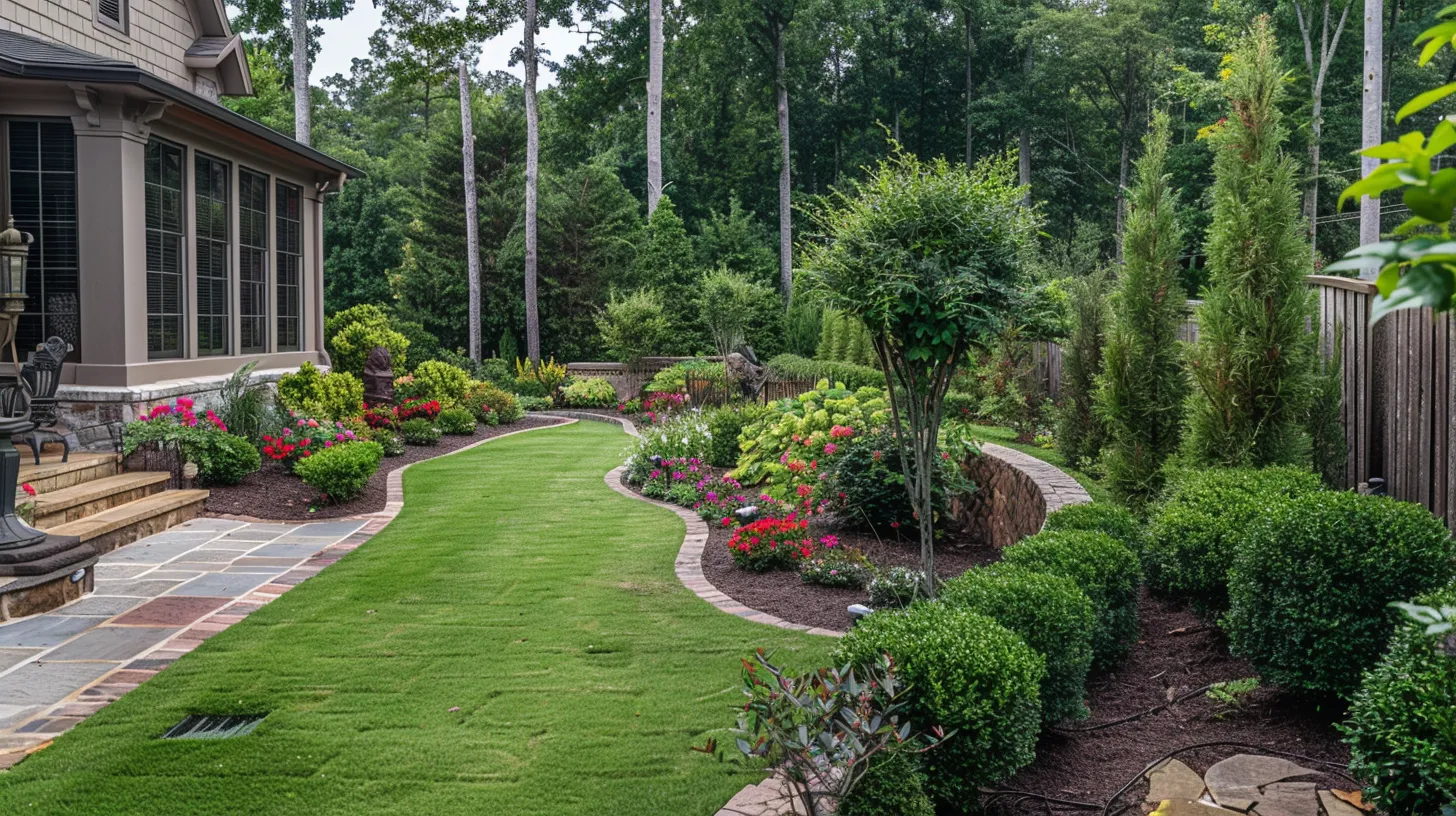
When choosing privacy shrubs for a garden in Georgia, popular options include various cultivars of prunus and fast-growing varieties. Native plants offer low-maintenance solutions, while evergreens provide year-round privacy. Additionally, selecting shrubs with stunning seasonal foliage and integrating water features can enhance the landscape’s appeal. Understanding our services ensures effective choices that accommodate insects and local soil conditions like sand, fostering a thriving green space.
Popular Privacy Shrubs in Georgia
Many property owners in Georgia look to popular privacy shrubs to enhance their yards while addressing issues like soil erosion and wildlife intrusion. Effective choices include varieties of taxus, known for their dense foliage, which can provide excellent year-round coverage. Incorporating mulch around these shrubs not only conserves moisture but also suppresses weed growth, creating a healthier environment for seed development and plant maturity. Additionally, integrating water features can further enhance the aesthetic appeal of your landscape. For more information about our services, please visit our about us page or browse our gallery.
- Taxus – Dense and resilient, ideal for year-round privacy.
- Mulch – Essential for moisture retention and soil health.
- Seed – Focus on native plants to ensure ecological compatibility.
- Erosion Control – Select shrubs that enhance soil stability.
- Contact us – For tips on selecting the best options for your landscape.
Native Plant Options for Low Maintenance
Native plant options, such as magnolia virginiana, are excellent choices for a low-maintenance privacy garden in Georgia. These plants can withstand the summer heat while thriving in various soil pH levels, making them adaptable to different growing conditions. Their hardiness zone compatibility ensures they will flourish, providing lasting beauty and privacy with minimal effort, allowing homeowners to enjoy their outdoor space without constant upkeep.
Fast-Growing Shrub Varieties
Fast-growing shrub varieties are an excellent choice for property owners in Georgia who seek immediate privacy in their yards. Viburnum species, for example, not only grow quickly but also provide lush foliage that attracts beneficial wildlife, making them a great fit for a wildlife garden. These shrubs can flourish in various soil types and are generally resistant to pests, making them low-maintenance choices that offer visual appeal with their glossy leaves and delightful flowers.
| Shrub Variety | Growth Rate | Key Benefits |
|---|---|---|
| Viburnum | Fast | Attracts wildlife, beautiful leaves |
| Fir | Moderate | Evergreen, sturdy structure |
| Hibiscus | Fast | Lush flowers, great for screening |
Maintaining Year-Round Privacy With Evergreens
Maintaining year-round privacy with evergreens in Georgia requires careful selection of species that thrive in local soil conditions, including clay. For instance, tree varieties like cherry laurel provide dense foliage, ensuring a lush barrier against prying eyes. Choosing options with pink flowers can further enhance the landscape’s visual appeal, creating both privacy and aesthetic enjoyment throughout the seasons.
Shrubs With Beautiful Seasonal Foliage
Selecting shrubs with beautiful seasonal foliage can greatly enhance the aesthetic of a yard in Georgia while providing the necessary privacy. Plants such as cedrus deodara, known for their striking appearance and dense growth, can serve as an effective natural fence, adding visual interest throughout the year. Additionally, their bark can contribute to the unique texture of the landscape, while selecting species that thrive in the specific soil conditions and inch separation recommendations ensures they flourish and create a vibrant barrier.
- Choose shrubs with seasonal visual appeal for privacy.
- Cedrus deodara offers dense growth and striking appearance.
- Consider bark texture to enhance overall landscape aesthetics.
- Select based on soil conditions and recommended spacing.
Caring for Privacy Shrubs in Georgia
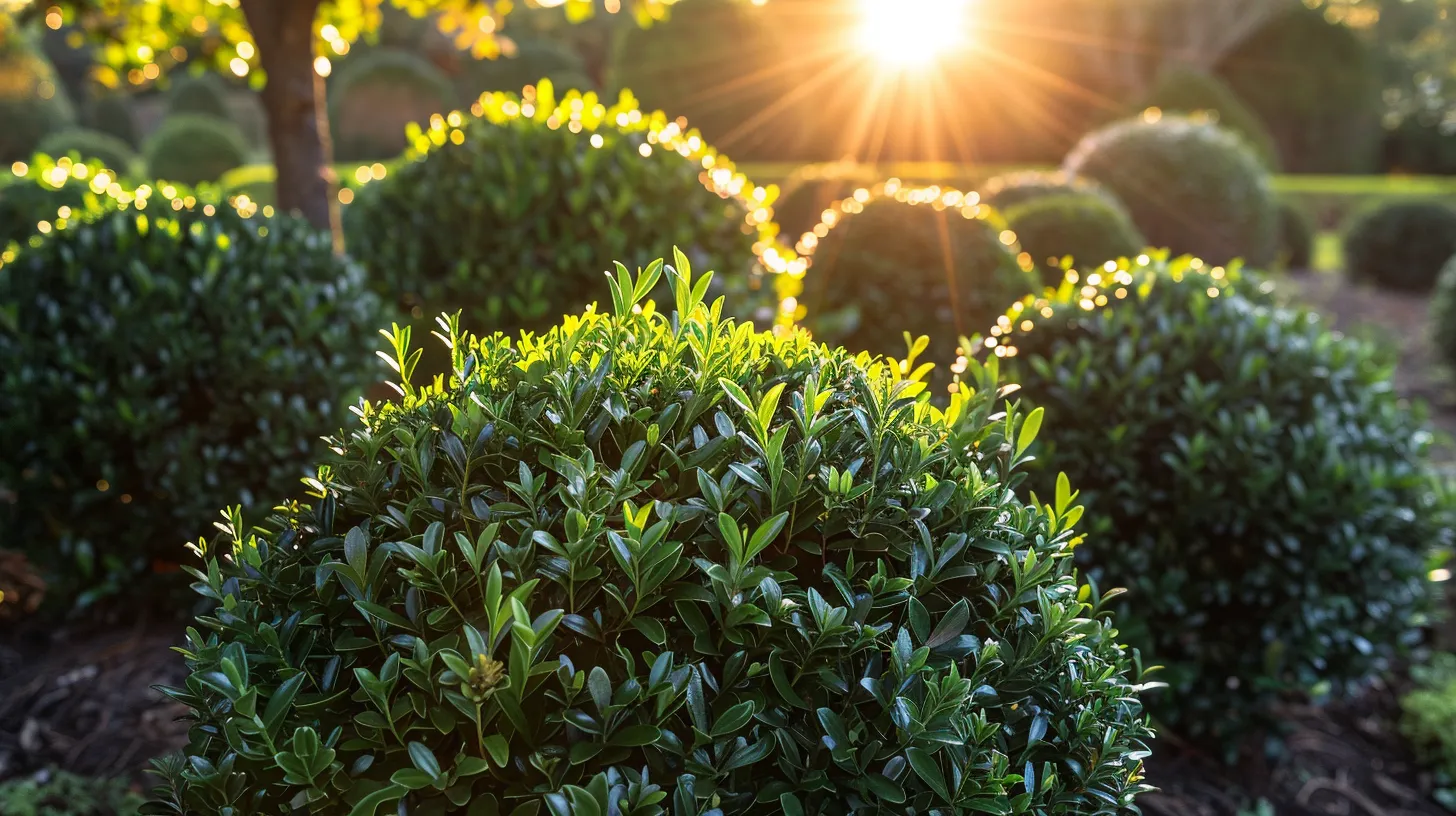
Maintaining privacy shrubs like ilex opaca requires attention to key practices that ensure healthy growth and resilience against drought. Best watering strategies, effective fertilization techniques, and appropriate pruning schedules are essential components. Additionally, managing pests and diseases, along with seasonal maintenance tips, will help create a thriving environment for shrubs and attract beneficial wildlife, such as bees.
Best Watering Practices for Optimal Growth
Proper watering practices are essential for the optimal growth of privacy shrubs, such as chamaecyparis, in Georgia’s varying temperatures. Property owners should aim to water deeply and less frequently, allowing the soil to dry slightly between sessions, which encourages robust root development. During periods of rain, it is crucial to monitor the moisture levels in the soil to ensure that these shrubs receive adequate hydration without the risk of overwatering, as this can lead to root rot.
Fertilizing Techniques for Healthy Shrubs
Fertilizing privacy shrubs effectively involves understanding the specific needs of plants such as thuja, which thrive in well-drained topsoil. Regularly adding organic fertilizers can boost nutrient levels and support healthy growth while ensuring that drainage is optimal to prevent root rot. Furthermore, integrating pruning into the care routine can help maintain shape and encourage better air circulation, which contributes to a robust vine of foliage, enhancing the overall aesthetics and privacy offered by the shrubs.
Pruning Schedules and Methods
Implementing a regular pruning schedule is essential for maintaining the health and appearance of privacy shrubs like cornus and plum. By strategically trimming these plants, property owners can encourage vibrant color and healthier growth, while also managing the density to provide optimal privacy. Utilizing pruning methods that cater to the specific needs of bamboo, for instance, allows for better air circulation and ensures that these plants continue to attract nectar-seeking pollinators, enhancing the overall ecosystem of the yard.
Pest and Disease Management Strategies
Pest and disease management is vital for the health of privacy shrubs in Georgia, ensuring vibrant growth and resilience. Regularly inspecting plants like jasmine for signs of pests or disease can help catch issues early, preventing extensive damage. Utilizing organic pesticides and promoting a healthy ecosystem, such as encouraging beneficial insects in a playground area, can effectively manage threats while also serving as a natural windbreak against harsh elements, ultimately protecting the lush appearance of the yard even during ice storms.
Seasonal Maintenance Tips
Seasonal maintenance is critical for the health of privacy shrubs in Georgia, particularly in managing disease and environmental stressors. For instance, during dry spells, regular watering with the appropriate amount of salt-free water is necessary to prevent root damage in shrubs like sambucus. Furthermore, applying mulch in a cubic yard around the base of these plants can improve moisture retention while providing a suitable habitat for beneficial microorganisms, promoting overall growth and resilience.
| Season | Maintenance Activity | Focus Areas |
|---|---|---|
| Spring | Fertilizing | Boost nutrient levels |
| Summer | Watering | Prevent drought stress |
| Fall | Pruning | Shape and promote air circulation |
| Winter | Insulating | Protect from frost damage |
Incorporating Mulch for Plant Health
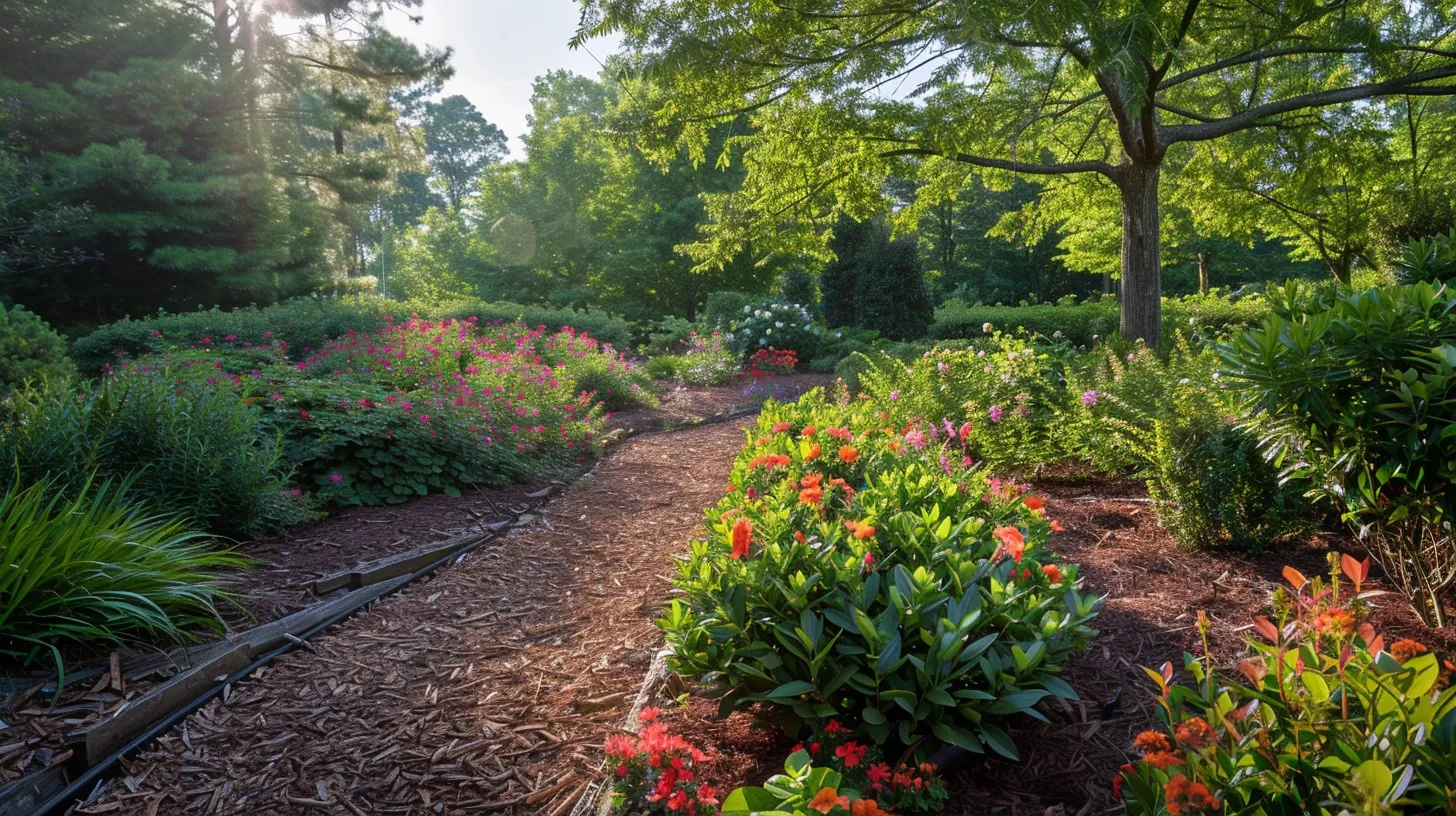
Natural hardwood mulch, particularly cedar varieties, provides numerous benefits for maintaining healthy gardens in Georgia. Its moisture-retaining properties are crucial for plant health, ensuring shrubs like chaenomeles and panicum virgatum receive adequate hydration. Selecting the appropriate mulch type, along with proper application techniques, contributes significantly to the growth and resilience of privacy shrubs while enhancing the overall landscape.
Benefits of Natural Hardwood Mulch
Natural hardwood mulch, particularly from species such as abies concolor and chamaecyparis pisifera, offers numerous advantages for maintaining healthy privacy shrubs in Georgia. This type of mulch effectively retains moisture in the soil, protecting young shrubs from the stress of drought and ensuring they receive adequate hydration during the warmer months. Furthermore, using hardwood mulch helps prevent soil erosion, protects plant roots from frost damage, and creates an inviting habitat for pollinators like hummingbirds, enhancing the ecological balance within the garden and contributing to a thriving landscape throughout the United States.
Key Features of Cedar Mulch and Its Advantages
Cedar mulch is an excellent choice for garden enthusiasts looking to enhance the health of privacy shrubs in Georgia. This type of mulch naturally retains moisture, providing essential hydration to plants such as buxus and aucuba, which thrive in the local climate. Additionally, the natural aroma of cedar deters pests, making it a practical solution for maintaining a lush landscape while allowing for features like variegation among shrubs to shine. Furthermore, its ability to break down over time enriches the soil, supporting the growth of vibrant cypress and other treasured plants in the yard.
How Mulch Affects Moisture Retention
Mulch plays a vital role in moisture retention, particularly for plants like rose and anise, which require consistent hydration to thrive. By creating a barrier, mulch reduces evaporation from the soil, ensuring that essential moisture remains accessible to the roots of privacy shrubs such as cortaderia selloana. For homeowners looking to enhance their gardens with conifers or other ornamental plants, applying a layer of mulch not only conserves water but also supports healthier growth, contributing to a lush and thriving landscape.
Choosing the Right Mulch Type for Your Shrubs
Choosing the right mulch type for shrubs, such as laurus nobilis and cupressus, plays a significant role in enhancing plant health in a Georgia landscape. Using organic materials like compost is beneficial for enriching the soil, promoting moisture retention, and providing nutrients to shrubs such as holly and osmanthus fragrans. Property owners should consider applying a two to four-inch layer of mulch around these plants to ensure optimal growth and protection against temperature fluctuations:
| Mulch Type | Benefits | Ideal Shrubs |
|---|---|---|
| Cedar Mulch | Moisture retention, pest deterrent | Holly, Osmanthus fragrans |
| Wood Chips | Soil enrichment, erosion control | Laurus nobilis, Cupressus |
| Compost | Improves soil structure, nutrient supply | All varieties |
Application Techniques for Effective Mulching
For effective mulching around privacy shrubs in Georgia, one must focus on proper application techniques that accommodate the local climate. A layer of organic mulch, such as pine or wood chips, should be spread two to four inches thick around the base of perennial plants to retain moisture and regulate soil temperature. This practice not only enhances moisture retention during dry spells but also provides essential support against wind, protecting delicate roots and promoting healthy growth throughout the year.
Designing a Lush Yard With Privacy Shrubs
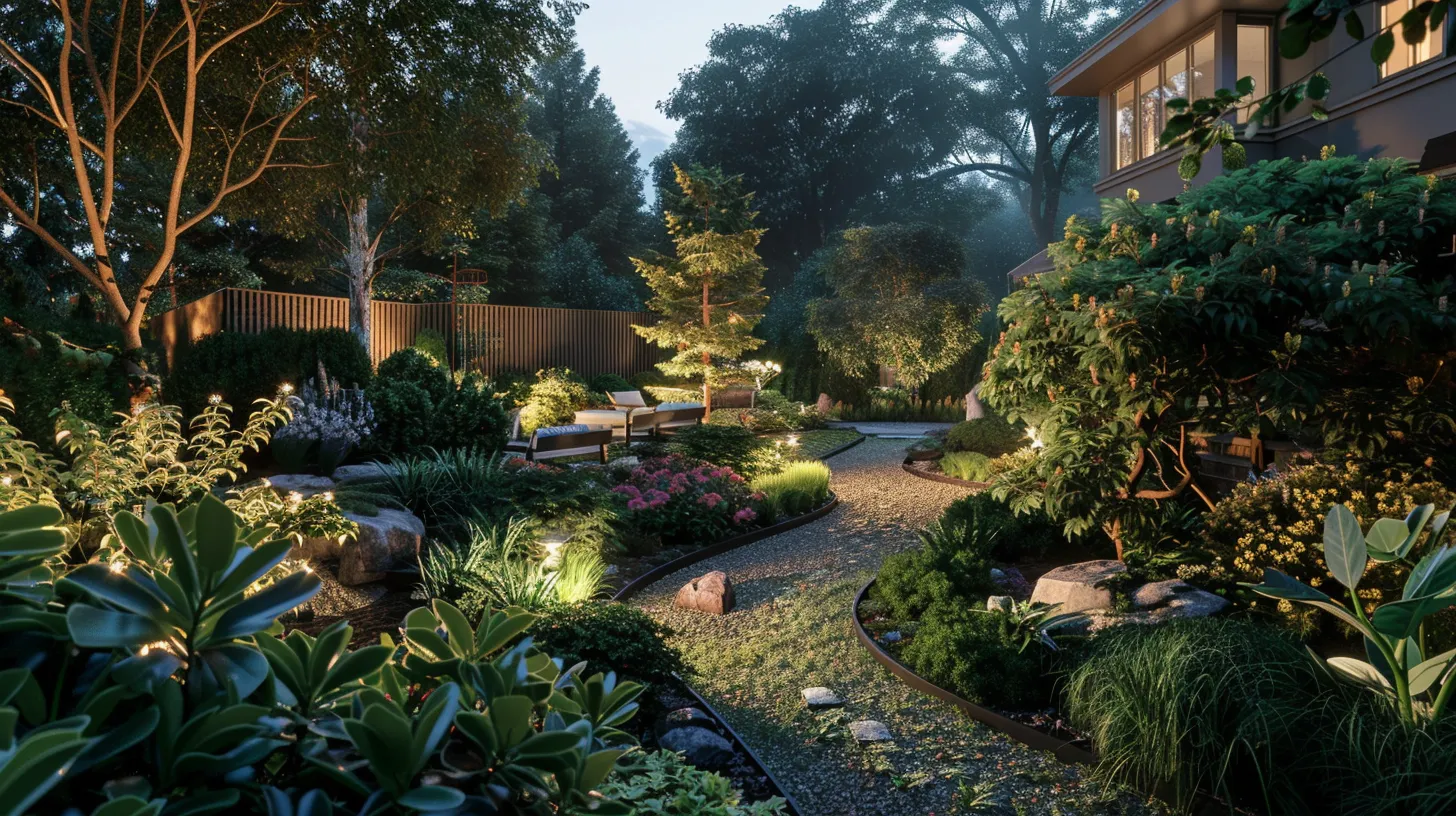
Creating different layers with shrub plants, such as evergreens and hardwood varieties, enhances the visual appeal of the yard while providing effective noise reduction. Combining shrubs with additional landscape elements can foster a vibrant environment, while utilizing color and texture creates striking contrasts. Implementing pathways or borders not only adds aesthetic value but also helps in designing spaces that serve as wildlife habitats.
Creating Different Layers With Shrub Plants
Creating different layers with shrub plants is essential for enhancing both visual interest and privacy in a Georgia yard. By incorporating vibrant species like azalea and euonymus at varying heights, property owners can establish a rich tapestry of colors and textures that adds depth to the landscape. Additionally, strategically placing a trellis adorned with climbing plants behind a backdrop of rocks and gravel not only elevates the design but also creates a natural barrier that defines spaces within the lawn, effectively addressing privacy concerns while improving the overall aesthetic appeal.
Combining Shrubs With Additional Landscape Elements
Integrating shrubs with additional landscape elements can significantly enhance a yard’s overall aesthetic and functionality while providing necessary privacy. For instance, incorporating flowering plants alongside deciduous shrubs creates vibrant layers that not only improve visual appeal but also attract wildlife such as birds and beneficial insects. Components like retaining walls made from natural stone can help retain moisture in the soil, providing a healthier environment for shrubs like wax myrtle, which offer both coverage and ecological support in the landscape.
| Landscape Element | Function | Benefit |
|---|---|---|
| Flowering Plants | Add color and attract wildlife | Enhance biodiversity and beauty |
| Deciduous Shrubs | Provide seasonal privacy | Create visual interest and shade |
| Retaining Walls | Control soil erosion and retain moisture | Support healthy plant growth |
Utilizing Color and Texture for Visual Impact
Utilizing color and texture is key to designing a captivating yard in Georgia, particularly when selecting privacy shrubs. For instance, incorporating juniper varieties can offer rich green hues that contrast beautifully against gravel pathways, creating visual interest while maintaining landscape functionality. Additionally, choosing flowering plants such as gelsemium sempervirens introduces bright yellow blossoms and fragrant aromas, enhancing not only aesthetics but also attracting beneficial wildlife that can contribute to the yard’s ecological balance.
| Element | Impact | Example |
|---|---|---|
| Color | Enhances visual appeal | Juniper with gravel |
| Texture | Adds depth | Gelsemium sempervirens blooms |
| Wildlife Attraction | Supports biodiversity | Berry-producing shrubs |
Implementing Pathways or Borders for Aesthetic Appeal
Implementing pathways or borders is a highly effective method for enhancing the aesthetic appeal of a lush yard in Georgia. Pathways can be constructed using materials such as gravel or pavers, complementing privacy shrubs like picea abies to create a cohesive design that invites exploration. By using strategic landscaping techniques, homeowners can visually connect different areas of the garden, creating a balanced flow of space that enhances both functionality and beauty while also making it simple to navigate through the yard.
| Element | Function | Benefit |
|---|---|---|
| Pathways | Guide foot traffic | Enhance navigation through the landscape |
| Borders | Define spaces | Add structure and improve visual appeal |
| Plant Nursery Designs | Incorporate greenery | Support local ecology and aesthetics |
Designing Spaces for Wildlife Habitat
Designing spaces for wildlife habitat within a lush yard in Georgia involves selecting native plants and shrubs that support local ecosystems. Incorporating varieties such as quince provides food for birds and beneficial insects while ensuring that invasive species do not disrupt the balance. Additionally, planting species like pinus strobus can create essential shade areas, protecting wildlife from extreme weather conditions while contributing to a vibrant and sustainable landscape.
Frequently Asked Questions About Privacy Shrubs
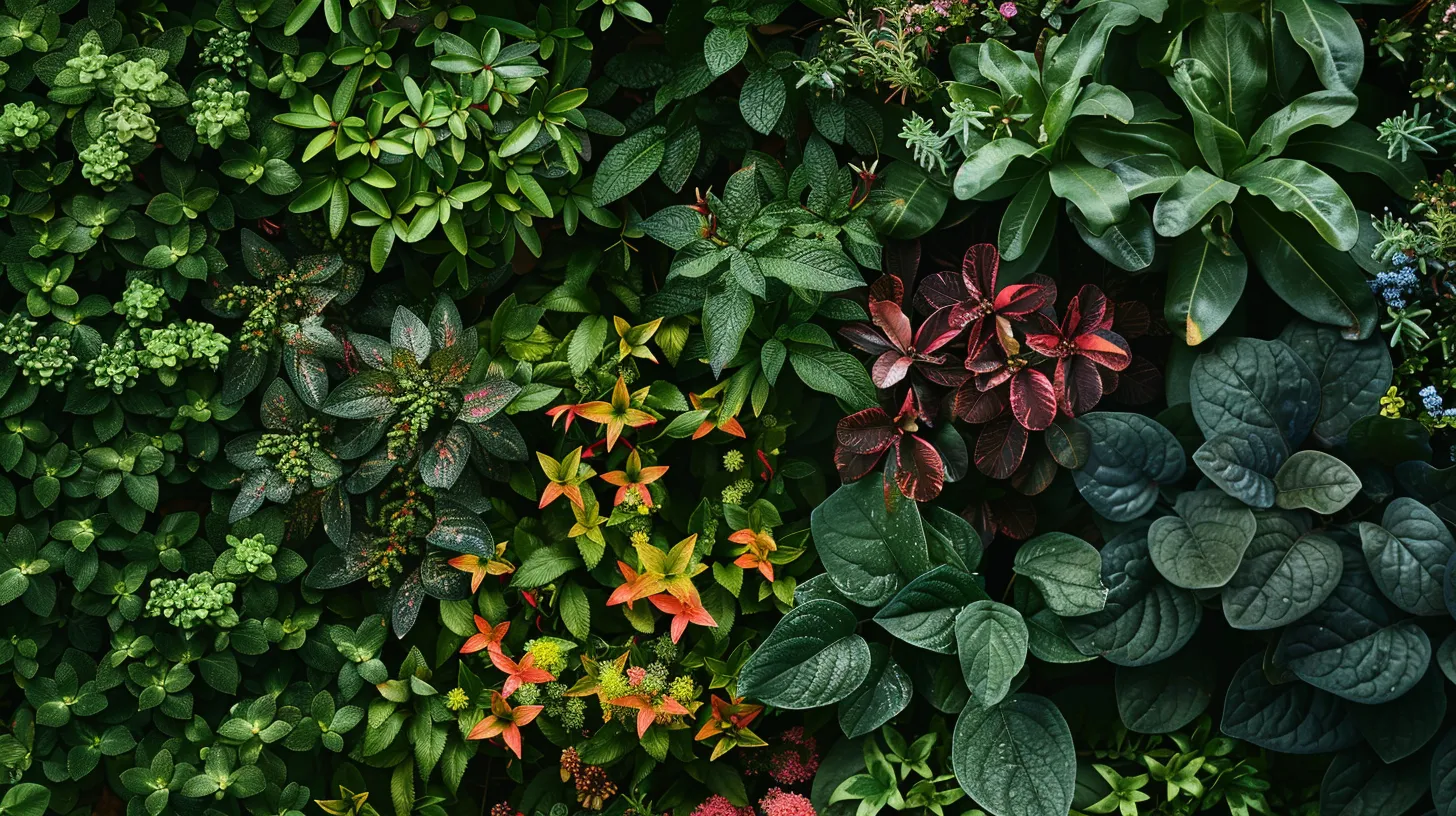
Common questions regarding privacy shrubs can significantly impact successful yard design in Georgia. This section addresses key topics like the best time to plant privacy shrubs, spacing considerations between plants, and special soil requirements for shrubs like myrtus and lagerstroemia. Understanding the maturation period and avoiding common mistakes are also crucial for establishing a lush and fruitful landscape.
What Is the Best Time to Plant Privacy Shrubs?
The best time to plant privacy shrubs, such as aucuba japonica and privet, is during the early spring or fall. Planting during these seasons allows the shrubs to establish their root systems before the summer heat or winter cold sets in, leading to healthier growth. Homeowners seeking to create a lush landscape can consult local landscape supply providers for additional information on the height and suitability of various shrubs to form effective natural walls around their properties.
| Season | Best Practices | Recommended Shrubs |
|---|---|---|
| Spring | Plant early for root establishment | Aucuba japonica, Privet |
| Fall | Ensure moisture levels are adequate | Various evergreens |
How Much Space Should I Leave Between Shrubs?
When determining how much space to leave between privacy shrubs, such as Ilex vomitoria or hybrid hedges, it is essential to consider the mature width of the plants. Generally, a spacing of two to three feet between shrubs is recommended to allow ample room for growth, promote air circulation, and prevent overcrowding. This distance not only accommodates the expansion of trunks but also ensures that each shrub can thrive without competing for nutrients, ultimately resulting in a more lush and healthy landscape.
| Shrub Type | Mature Width | Recommended Spacing |
|---|---|---|
| Ilex vomitoria | 4-6 feet | 3-4 feet |
| Hybrid Hedge | 3-5 feet | 2-3 feet |
| Oak Varieties | 20-40 feet | 15-20 feet |
Do Privacy Shrubs Require Special Soil?
Privacy shrubs do not necessarily require special soil, but the right conditions can significantly improve their growth and overall health. For example, species like pieris thrive in acidic soil, making them perfect for Georgia landscapes where soil pH can vary. Ensuring proper water retention and drainage is critical, especially for plants that are more sensitive, such as blueberry shrubs, which prefer well-drained soil to support healthy root development, similar to how other trees and shrubs benefit from balanced conditions.
How Long Until Privacy Shrubs Mature?
The maturation period of privacy shrubs can vary significantly based on species and environmental conditions. For example, varieties like cupressus sempervirens typically take three to five years to reach their desired height and fullness, while podocarpus macrophyllus may take slightly longer, around five to ten years, to create a dense privacy screen. Incorporating organic matter into the soil can enhance growth rates for shrubs such as magnolia grandiflora, allowing them to establish quicker and provide more effective coverage in a shorter time frame. Understanding these growth timelines helps homeowners plan their landscaping effectively to ensure a lush and private yard in Georgia.
What Are the Most Common Mistakes With Privacy Shrubs?
One of the most common mistakes homeowners make with privacy shrubs is selecting species that do not align with their local soil conditions, such as loam, which is vital for healthy plant growth. This oversight often results in weak plants that struggle to thrive or produce flowers as expected. Additionally, failing to consider the mature size of shrubs can lead to overcrowding, hampering the overall aesthetics and effectiveness of the privacy screen. For those browsing options, it is advisable to request a quote from local nurseries familiar with optimal shrub choices, including varieties like maple, that are better suited for enhancing privacy in a Georgia yard.
Conclusion
Selecting the right privacy shrubs is essential for creating a vibrant and secluded landscape in Georgia. By understanding factors such as sunlight requirements, soil conditions, and local climate, homeowners can choose resilient plants that thrive in their environment. Incorporating native species and fast-growing varieties not only enhances beauty but also supports local wildlife, fostering a healthier ecosystem. Ultimately, thoughtful selection and proper care of privacy shrubs make a lasting impact on the overall appeal and functionality of outdoor spaces.